The Art of Letting Go: How Minimalism Facilitates Space Optimization at Home
Clutter is a pervasive issue in American households. Research from the LA Times reveals that the average U.S. home contains over 300,000 items. To manage this overflow, one in ten families resort to renting offsite storage units, an industry projected to generate over $37 billion in revenue annually. This stark reality highlights not just a surplus of belongings, but a need for a more organized, manageable lifestyle.
The Intersection of Minimalism and Space Optimization
In response to our growing clutter problem, minimalism and space optimization have emerged as valuable solutions. Minimalism emphasizes the importance of living with only what you need while space optimization focuses on maximizing your available area for functionality and ease. Together, they offer a pathway to reclaiming our living spaces and enhancing overall quality of life.
The Shift Toward Intentional Living
From the compact, efficient tiny homes in Portland to the chic studio apartments in Manhattan, many homeowners are asking themselves, “Do I really need this?” This questioning mindset is not just a trend; it’s evolving into a national movement advocating for simplified, purpose-driven living. An intentional lifestyle means curating your possessions and prioritizing meaningful experiences over mere accumulation, fostering a healthier relationship with material goods.
The benefits of minimalism at home are profound and wide-ranging. Consider the true cost of clutter, which often includes:
- Time: The hours lost rummaging through disorganized drawers in search of misplaced items can add up, ultimately detracting from your productivity.
- Money: Duplicate purchases become common when items are lost amid the chaos. Being organized can lead to significant savings.
- Mental Energy: The continuous visual chaos of clutter can drain your focus and creativity, leaving you feeling overwhelmed.
- Square Footage: Failing to utilize available space effectively means paying rent or mortgage on unused belongings.
What This Article Covers
This guide provides comprehensive insights into how to declutter your space utilizing effective, room-by-room strategies. Discover practical space optimization techniques designed to enhance usability without compromising aesthetics. Readers will find actionable minimalist home design tips, including selecting multipurpose furniture that serves several functions and innovative storage solutions favored by professional organizers.
Moreover, we will delve into the broader lifestyle benefits of minimalism, revealing how they extend beyond organized shelves and tidied spaces. Letting go of clutter is not simply about reducing the quantity of possessions but rather about creating a home environment that truly supports the life you aspire to live.
SEE ALSO: Maximizing Small Spaces: Minimalist Solutions for Urban Living
Understanding the Psychology Behind Letting Go of Clutter
Before diving into practical strategies, it’s worth asking why we accumulate so much in the first place. Behavioral psychologists point to what’s called the endowment effect, our tendency to overvalue items simply because we own them. That childhood trophy, the unused kitchen gadget, the “someday” clothing in your closet, all trigger a sense of loss when we consider parting with them, even if we never actually use them.
This emotional attachment explains why letting go of clutter feels so difficult for many Americans. A 2022 survey by the National Association of Productivity and Organizing Professionals found that 54% of Americans feel overwhelmed by the amount of clutter they own, yet only a fraction take consistent action to address it. Understanding this psychological barrier is the first step toward meaningful change.
Common Clutter Triggers in American Homes
Certain categories of belongings tend to accumulate faster than others, creating predictable clutter hotspots. Recognizing these patterns makes it easier to target problem areas before they spiral out of control.
- Sentimental items: Gifts, heirlooms, and keepsakes that carry emotional weight but little functional value.
- Aspirational purchases: Exercise equipment, unread books, or hobby supplies bought with good intentions but rarely used.
- Seasonal overflow: Holiday decorations, out-of-season clothing, and outdoor gear that occupy prime storage space year-round.
- Digital-era paperwork: Physical documents and mail that pile up despite most information now being available online.
- Bulk purchases: Warehouse store deals that seemed economical but exceed actual household needs.
Once these patterns are identified, the connection between minimalism and space optimization becomes clearer. Minimalism isn’t about deprivation, it’s about making room, both physically and mentally, for what genuinely adds value to daily life.
Small Steps That Create Measurable Change
Professional organizers across the country, from Seattle to Miami, consistently recommend starting small. Tackling an entire home at once often leads to burnout and abandoned projects. Instead, focusing on one drawer, shelf, or closet at a time builds momentum without overwhelming the process.
This incremental approach forms the foundation of effective space optimization techniques, which we’ll explore in greater detail throughout this guide. The goal isn’t perfection overnight, but rather sustainable progress that compounds over weeks and months into a genuinely transformed living space.
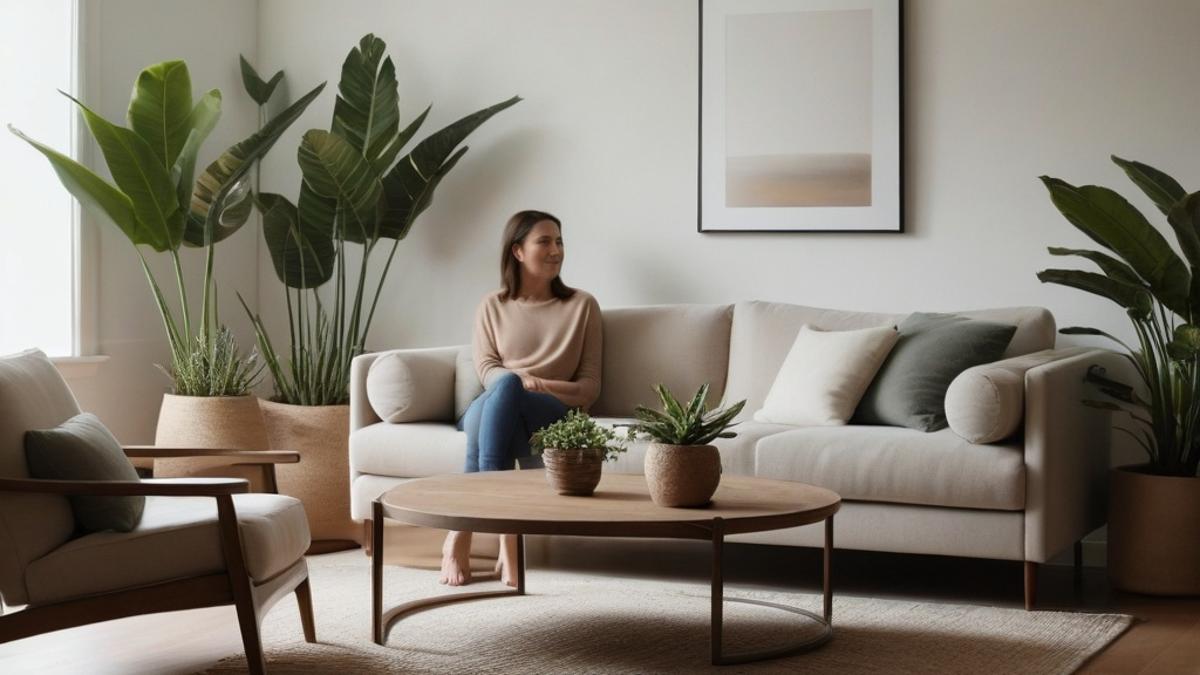
CHECK OUT: Maximizing Small Spaces: Creative Solutions for Minimalist Living
Room-by-Room Strategies for Practical Space Optimization
Once the psychological groundwork is understood, the next logical step is action. Knowing how to declutter your space effectively requires more than motivation, it demands a system tailored to each area of the home. Different rooms present different challenges, and a one-size-fits-all approach rarely produces lasting results.
Professional organizers often recommend the “one-in-one-out” rule as a starting point. For every new item brought into the home, an existing item leaves. This simple habit prevents the slow creep of accumulation that turns manageable spaces into overwhelming ones.
The Kitchen: America’s Most Cluttered Room
Surveys consistently identify the kitchen as the single most cluttered space in American homes. Countertop appliances, mismatched containers, and duplicate utensils quietly consume valuable square footage.
- Audit small appliances: If a device hasn’t been used in six months, such as a bread maker or panini press, it’s a candidate for donation.
- Consolidate food storage: Matching container sets save significantly more cabinet space than random collections.
- Vertical storage solutions: Wall-mounted racks and pull-out drawers maximize unused vertical space near cabinets.
Closets and the Myth of “Someday”
The average American household reportedly spends over $1,700 annually on clothing, yet studies from the University of Arizona suggest most people wear only about 20% of their wardrobe regularly. The remaining 80% sits idle, waiting for occasions that rarely arrive.
Applying minimalist home design tips to closets means being honest about actual usage patterns rather than hypothetical future needs. A useful test: if an item hasn’t been worn in a full calendar year, it’s likely safe to release.
Shared and Multipurpose Spaces
Home offices, guest rooms, and basements often become default storage zones for items without a clear home elsewhere. This is where space optimization techniques prove particularly valuable, since these rooms typically serve multiple functions simultaneously.
- Furniture with built-in storage: Ottomans, beds with drawers, and modular shelving reduce the need for separate storage furniture.
- Digital conversion: Scanning important documents eliminates filing cabinets that dominate many home offices.
- Defined zones: Assigning specific purposes to specific areas prevents multipurpose rooms from becoming catch-all dumping grounds.
Together, these targeted approaches demonstrate that minimalism and space optimization work best when applied systematically rather than sporadically, transforming individual rooms into functional, breathable spaces one deliberate decision at a time.
CHECK OUT: The Art of Decluttering: How Space Optimization Enhances Personal Organization
Reclaiming Square Footage, One Choice at a Time
The connection between minimalism and space optimization ultimately comes down to a single truth: physical clutter is rarely just about objects. It reflects decisions postponed, memories held too tightly, and futures imagined but never realized. Recognizing this is often the real turning point.
Across kitchens, closets, and shared living areas, the same pattern emerges. Homes don’t need more storage, they need fewer unnecessary items competing for the storage that already exists. This is the practical core of space optimization techniques, and it explains why organizing products alone rarely solve clutter problems long-term.
The benefits of minimalism at home extend well beyond tidier surfaces. Homeowners frequently report reduced cleaning time, lower stress levels, and even financial savings once they stop replacing items they already own but can’t locate. The National Association of Productivity and Organizing Professionals notes that disorganization costs the average American household both time and money each year, resources that decluttering can help recover.
Understanding how to declutter your space is not a weekend project but an ongoing practice. Seasonal check-ins, mindful purchasing, and honest evaluations of usage patterns keep clutter from silently rebuilding.
Ultimately, letting go of clutter is less about minimalism as an aesthetic and more about intentional living. The goal isn’t empty rooms, it’s rooms that serve their occupants rather than burden them.
For those willing to start small, even a single drawer or shelf, the broader minimalism lifestyle benefits tend to follow naturally, one deliberate decision away from a more spacious, functional home.
Frequently Asked Questions
How does minimalism help in space optimization in small apartments?
Minimalism encourages homeowners to eliminate unnecessary items, which can significantly free up space in small apartments. By focusing on only essential and functional belongings, residents can create a more open and airy feel, making even the smallest areas appear larger and more organized.
What are some practical steps to start embracing minimalism for better space utilization?
To begin embracing minimalism for space optimization, start by decluttering each room and only keeping items that serve a purpose or bring joy. Implement storage solutions like multifunctional furniture and invest in organizers that maximize vertical space. Regularly reassess your belongings to maintain a minimalist environment.
Can minimalism enhance the aesthetic appeal while optimizing space at home?
Absolutely! Minimalism often results in a sleek and uncluttered aesthetic, making homes feel more inviting and spacious. With carefully chosen decor and furniture that serve dual purposes, you can create a visually pleasing environment while optimizing every inch of your space.
What role does mental clarity play in the process of optimizing space through minimalism?
Mental clarity is a crucial aspect of minimalism, as decluttering your physical space often leads to a clearer mindset. By focusing on what truly matters and letting go of excess items, individuals can reduce stress and distractions, enabling them to appreciate their home environment more fully while optimizing their space.
Are there specific minimalist design principles that can enhance space optimization?
Yes, there are several minimalist design principles that aid in space optimization, such as utilizing open floor plans, opting for built-in storage, and selecting light colors that reflect light. Additionally, incorporating minimalist decor can help create a sense of harmony and balance, ultimately making the space feel larger and more functional.

Linda Carter
Linda Carter is a writer specializing in minimalism and personal organization. With extensive experience helping readers create more functional and balanced routines, she shares practical advice on decluttering, organizing spaces, simplifying daily tasks, and making more intentional choices. Her goal is to offer clear guidance and accessible strategies that help people reduce excess, improve their surroundings, and enjoy a calmer, more organized lifestyle.