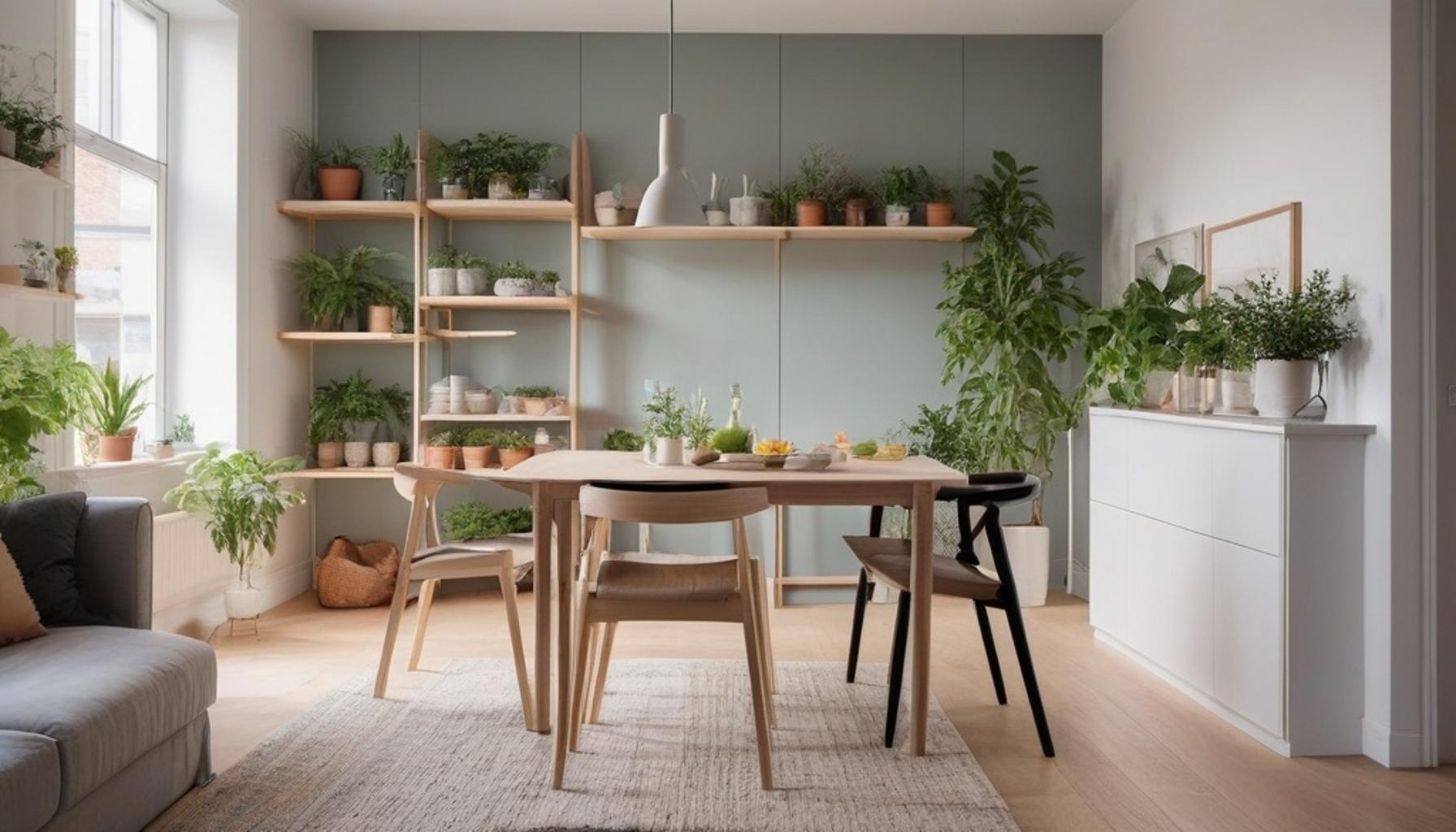
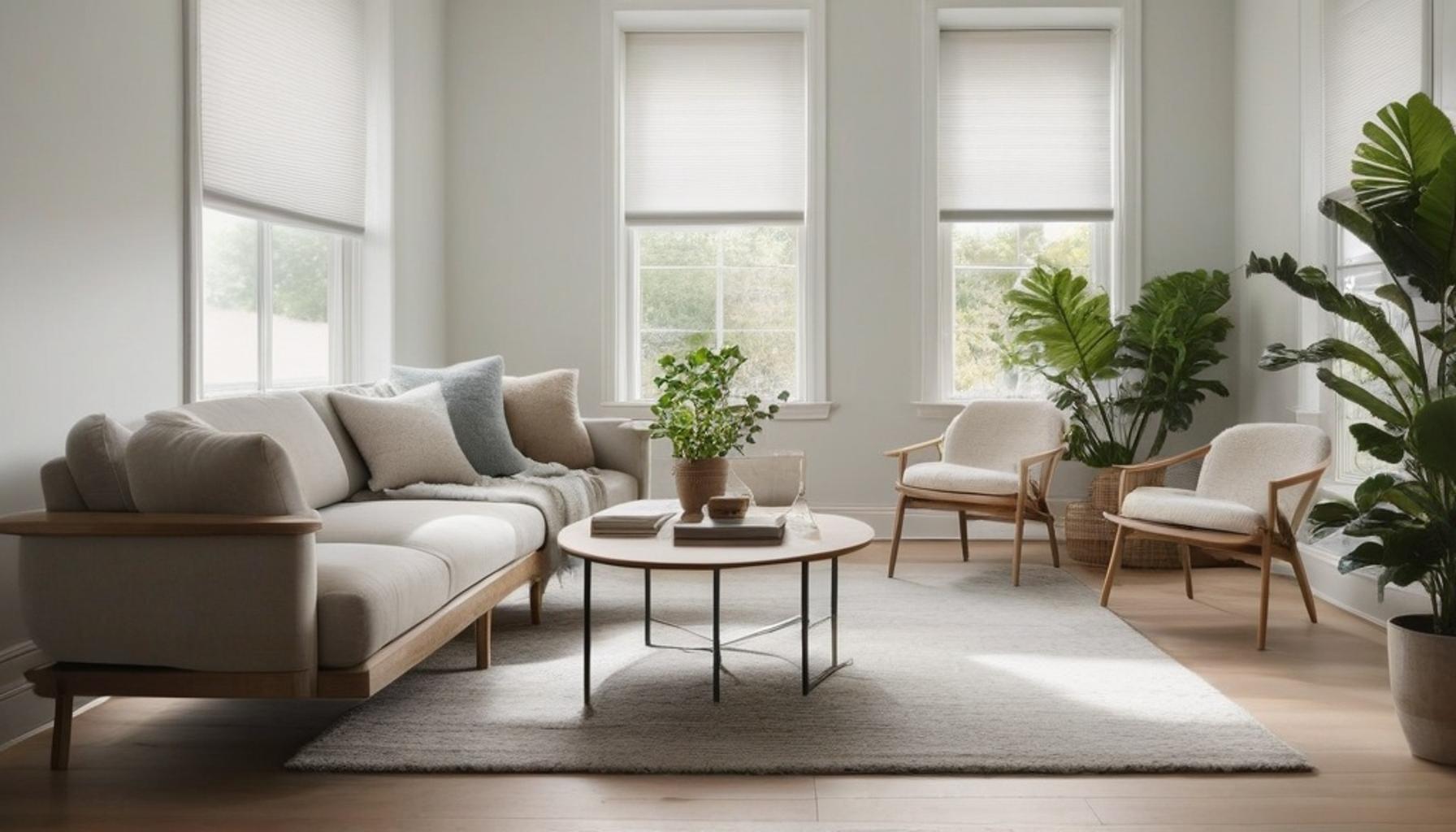
The Impact of Minimalism on Work Efficiency: Optimizing Office Spaces to Increase Productivity
The Search for a Streamlined Workspace
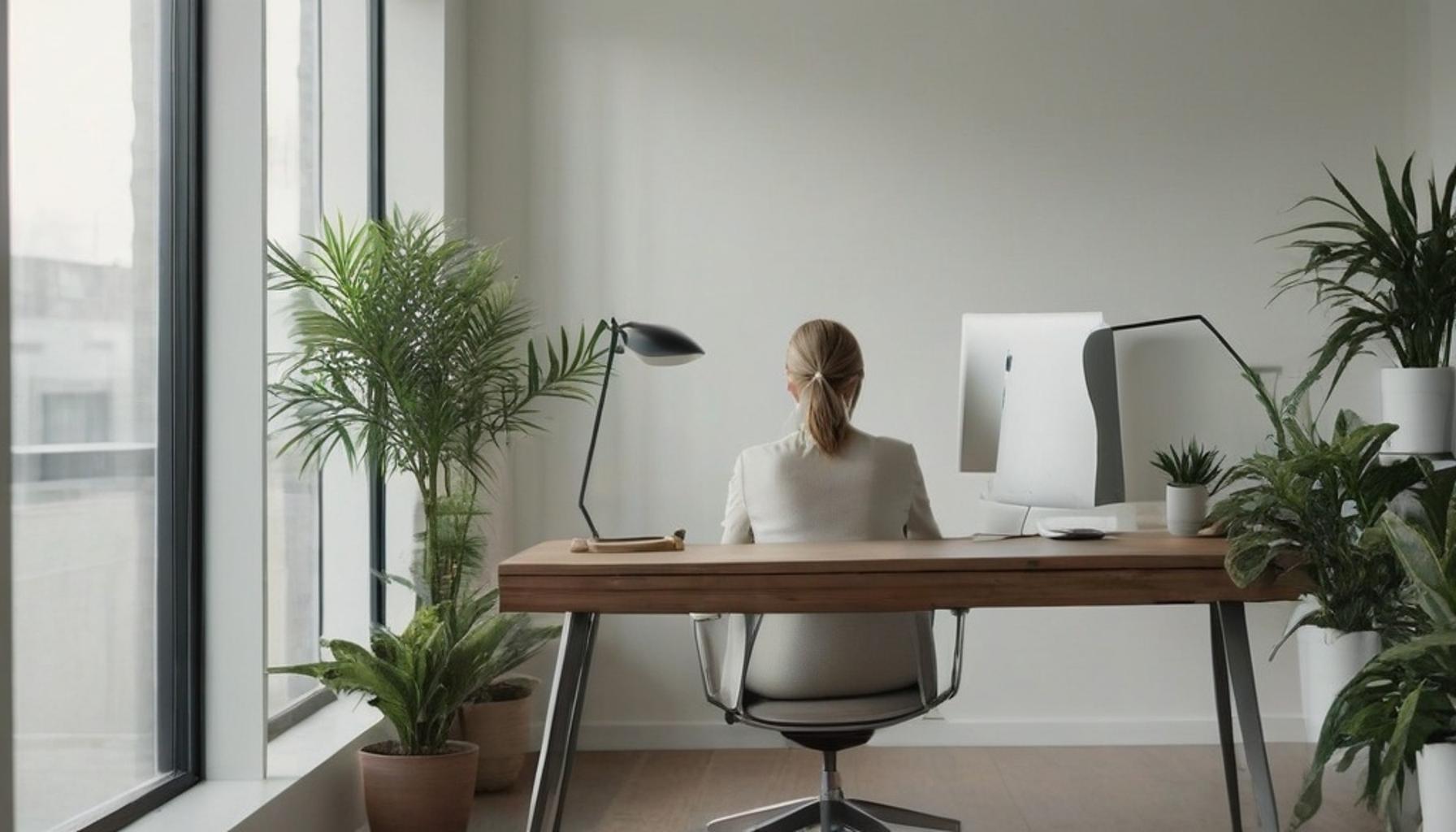
Walk into any high-performing startup office in Austin or San Francisco today, and you will likely notice something striking: clutter is conspicuously absent. Empty desks, concealed cables, and open floor plans have replaced the cubicle maze that many American workers grew up with. This redesign reflects a growing recognition that a clean and spacious workspace can yield significant benefits for productivity and overall employee morale.
The shift goes beyond mere aesthetics; there’s a vibrant body of research that increasingly links minimalism work efficiency to measurable gains in areas such as focus, speed of decision-making, and levels of employee satisfaction. Gone are the days when a crowded workspace was seen as a badge of honor; today’s emphasis is on clarity and simplicity.
The Numbers Behind the Trend
A cluttered workspace does more damage than most realize. A study from Princeton University indicates that visual clutter competes for attention, which can significantly reduce the brain’s ability to process information effectively. This insight sheds light on why many people feel overwhelmed in disorganized environments.
- Research shows that employees in organized environments report up to 32% fewer distractions during core work hours, allowing for more sustained productivity.
- Companies adopting a minimalist office design have observed measurable reductions in reported workplace stress levels, leading to a healthier work-life balance.
- Simplified office layouts can cut the time spent searching for tools, files, or documents by nearly 20%, which translates directly into time saved that can be used for more valuable tasks.
These statistics are not just abstract figures; they represent tangible time reclaimed each week for employees. Imagine the cumulative effect on a team that can consistently redirect that time into innovative projects and strategic planning.
What This Article Will Cover
Optimizing office spaces to increase productivity requires more than merely removing furniture. It involves intentional choices about layout, lighting, and storage systems. A well-considered design can foster collaboration while minimizing distractions, promoting a culture where employees feel empowered and engaged.
In the sections ahead, we will break down practical workplace organization tips, explore real-life case studies from various U.S. companies—ranging from tech giants in Silicon Valley to small home offices in the Midwest—and examine the genuine benefits of minimalism at work. Join us as we delve into how these concepts can not only elevate individual performance but also redefine organizational success across the board.
SEE ALSO: The Art of Decluttering: How Space Optimization Enhances Mental Clarity
The Psychology Behind a Clear Desk
Before diving into design tactics, it helps to understand why minimalism work efficiency is not just a corporate buzzword but a concept rooted in cognitive science. The human brain has a limited capacity for processing visual stimuli, and every extra object in our peripheral vision consumes a small amount of mental bandwidth. Multiply that by dozens of items on a cluttered desk, and the toll on concentration becomes significant.
This is why companies like IBM and Dropbox have redesigned their headquarters around open, uncluttered layouts. The goal isn’t simply to look modern for visiting clients—it’s to remove the subtle cognitive tax that comes with visual noise. When employees walk into a space free of unnecessary furniture, files, or decor, their brains can allocate more resources to the task at hand rather than filtering out distractions.
Minimalist Design as a Productivity Tool
A minimalist office design isn’t about stripping a workspace down to bare walls and a single chair. It’s about strategic reduction—keeping only what serves a clear purpose. This principle has practical implications for how teams structure their daily routines and physical environments.
- Standing desks paired with minimal accessories have been linked to improved posture and, according to some ergonomic studies, a noticeable boost in energy levels throughout the day.
- Digital-first storage systems, which reduce paper clutter, allow employees to locate documents faster and reduce the anxiety associated with misplaced files.
- Neutral color palettes and natural lighting, common features in minimalist office design, have been shown to lower cortisol levels, contributing to a calmer, more focused atmosphere.
These aren’t isolated design choices; they work together. A desk free of paperwork means little if the lighting is harsh and fluorescent, just as natural light won’t compensate for a workstation buried under unused equipment.
Small Changes, Measurable Results
Perhaps the most compelling argument for adopting these workplace organization tips is how quickly results can materialize. Unlike large-scale operational overhauls that take months to show returns, decluttering and reorganizing a workspace can produce noticeable improvements within weeks.
Employees at a mid-sized marketing firm in Chicago reported feeling more in control of their daily workload after transitioning to a minimalist filing system and removing redundant office supplies from shared spaces. This anecdotal evidence aligns with broader survey data suggesting that simplified environments correlate with faster task completion and fewer reported errors.
As we continue exploring the benefits of minimalism at work, it becomes clear that optimizing office spaces to increase productivity is less about following a trend and more about applying practical, evidence-based strategies that any organization—regardless of size or industry—can implement.
CHECK OUT: Functional Minimalism: Designing Multi-Purpose Furniture for Efficient Organization
Rethinking Layouts: The Architecture of Focus
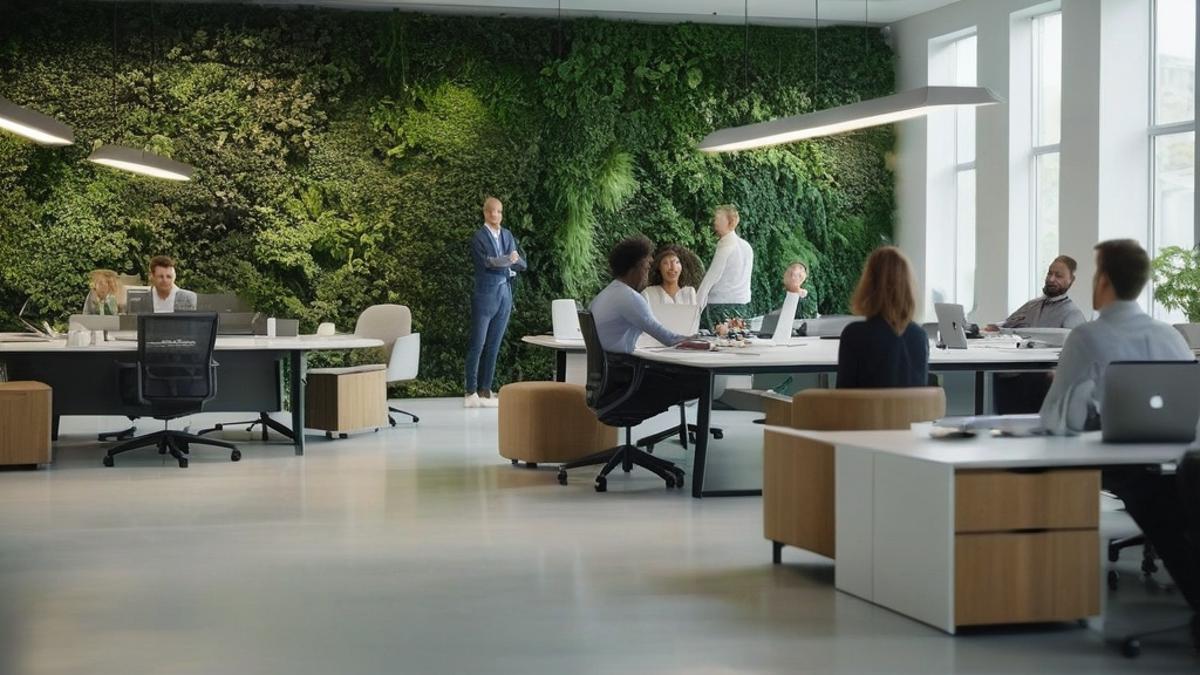
While decluttering a single desk delivers immediate benefits, the larger opportunity lies in rethinking how entire floor plans function. Optimizing office spaces to increase productivity requires looking beyond individual workstations and examining traffic flow, noise zones, and the placement of shared resources.
Steelcase, a workplace research firm based in Michigan, has spent years studying how spatial design influences employee behavior. Their findings suggest that offices with too many competing zones—open collaboration areas next to quiet workstations, for instance—create friction that undermines concentration. Minimalist layouts solve this by assigning clear purposes to each area, reducing the mental effort required to switch contexts throughout the day.
The Role of Technology in Minimalist Workspaces
One overlooked aspect of minimalism work efficiency involves the digital environment, not just the physical one. Employees juggling multiple monitors, dozens of open browser tabs, and cluttered desktop icons experience a version of visual overload similar to a messy desk.
- Companies adopting single-monitor setups with streamlined software dashboards report fewer instances of task-switching, a known productivity drain.
- Cloud-based project management tools like Asana or Trello, when used minimally and intentionally, help teams avoid the clutter of redundant email threads and scattered spreadsheets.
- Notification management—limiting alerts to only essential communications—has become a quiet but effective workplace organization tip for maintaining sustained attention.
This digital minimalism mirrors physical design principles: fewer distractions, clearer pathways to information, and less friction between intention and action.
What the Data Reveals About Employee Behavior
Beyond anecdotal reports, quantitative research supports the benefits of minimalism at work. A study conducted by the University of Exeter found that employees in optimized, clutter-reduced environments were up to 32% more productive than those in traditionally decorated offices packed with personal items and miscellaneous supplies.
Interestingly, the same study noted that complete sterility—offices with zero personalization—did not yield the highest results either. The most effective spaces balanced minimalism with a few purposeful personal touches, such as a single plant or a small framed photo, suggesting that minimalist office design is about intentionality rather than austerity.
This nuance matters for companies in cities like Austin or Seattle, where tech firms often experiment with radical open-space concepts. The lesson from the data is clear: stripping away excess works best when it’s paired with thoughtful, deliberate choices about what remains.
SEE ALSO: Functional Organization: Creating Minimalist Work Environments with Minimal Resources
Final Thoughts: Designing for Clarity, Not Just Aesthetics
The evidence gathered from workplace researchers, behavioral scientists, and companies across the United States points to a consistent conclusion: minimalism work efficiency is not a passing design trend but a measurable business strategy. From Steelcase’s spatial research to the University of Exeter’s productivity findings, the data consistently favors environments where clutter is minimized and purpose is maximized.
What makes this approach compelling is its scalability. Whether a startup in Austin is redesigning a single conference room or a corporate headquarters in Chicago is overhauling multiple floors, the same principles apply. Optimizing office spaces to increase productivity doesn’t require massive budgets—it requires intentional decisions about what stays and what goes.
Companies exploring minimalist office design should remember the balance uncovered in recent studies: stripped-down spaces work best when paired with a few deliberate personal touches, not total sterility. This distinction separates effective minimalism from mere emptiness.
For organizations ready to act, practical workplace organization tips offer a reasonable starting point:
- Audit physical and digital clutter simultaneously, since both contribute to cognitive overload.
- Assign clear functions to each area of the office to reduce unnecessary context-switching.
- Introduce minimal personalization rather than eliminating it entirely.
The benefits of minimalism at work extend beyond tidiness—they touch attention span, decision fatigue, and even employee morale. As more companies nationwide test these principles, the conversation is shifting from whether minimalism helps to how far organizations should take it. That question alone is worth watching closely in the years ahead.
Frequently Asked Questions
How does minimalism work efficiency relate to decluttering my office space?
Minimalism work efficiency emphasizes removing unnecessary items from your office to reduce distractions. By decluttering your workspace, you create a more focused environment that can enhance your concentration and productivity, allowing you to work more efficiently by only surrounding yourself with essential tools and resources.
What are some practical minimalism tips to improve my work efficiency?
To enhance your work efficiency through minimalism, start by evaluating the items on your desk and removing anything that isn’t necessary for your daily tasks. Use organizers to keep essential supplies in order, and consider adopting a digital filing system to minimize paper clutter. Additionally, aim to focus on one task at a time, which is more manageable in a minimalist environment.
Can a minimalist office design really boost my productivity?
Yes, a minimalist office design can significantly boost your productivity by creating a calm and organized space that minimizes distractions. By simplifying your environment, you can help your mind focus better on the tasks at hand, leading to increased efficiency and higher quality work. Many users report feeling less overwhelmed and more in control of their workload in a minimalist setting.
What role does color play in a minimalist office for enhancing work efficiency?
In a minimalist office, the choice of color plays a crucial role in setting the mood and enhancing work efficiency. Soft, neutral tones can create a calming atmosphere that promotes concentration, while pops of color can be used sparingly to energize and inspire creativity without overwhelming the senses. Choosing the right colors can help maintain focus and a productive mindset in a minimalist workspace.

Beatriz
Beatriz Johnson is a seasoned minimalist and writer with a passion for simplifying the complexities of personal organization and intentional living. With over a decade of experience in decluttering strategies and mindful consumption, she specializes in topics like space optimization, habit simplification, and sustainable lifestyle choices. Through her work on our website, Beatriz empowers readers to embrace minimalism, reduce mental and physical clutter, and create more meaningful, organized lives in today's fast-paced world.