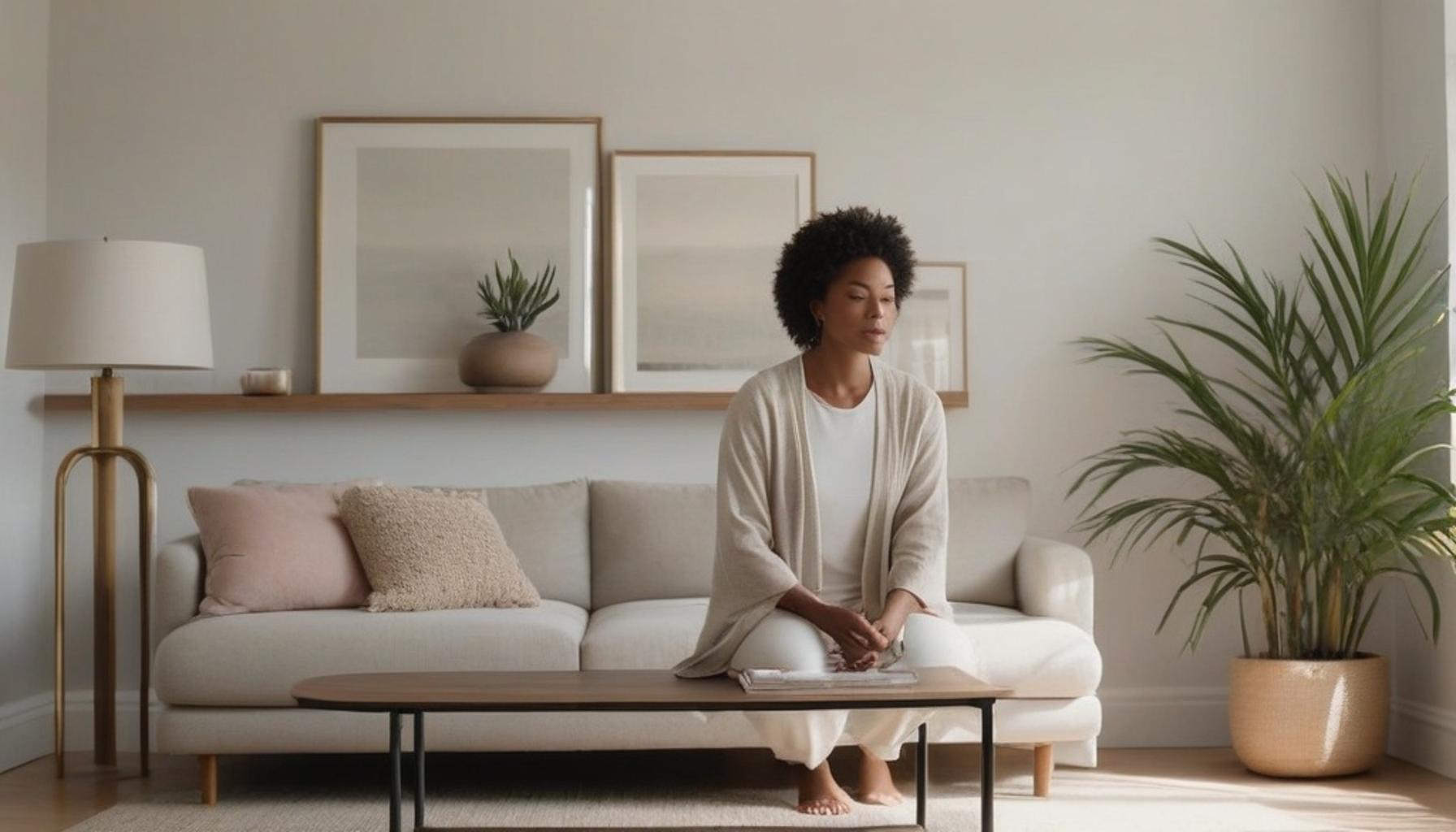
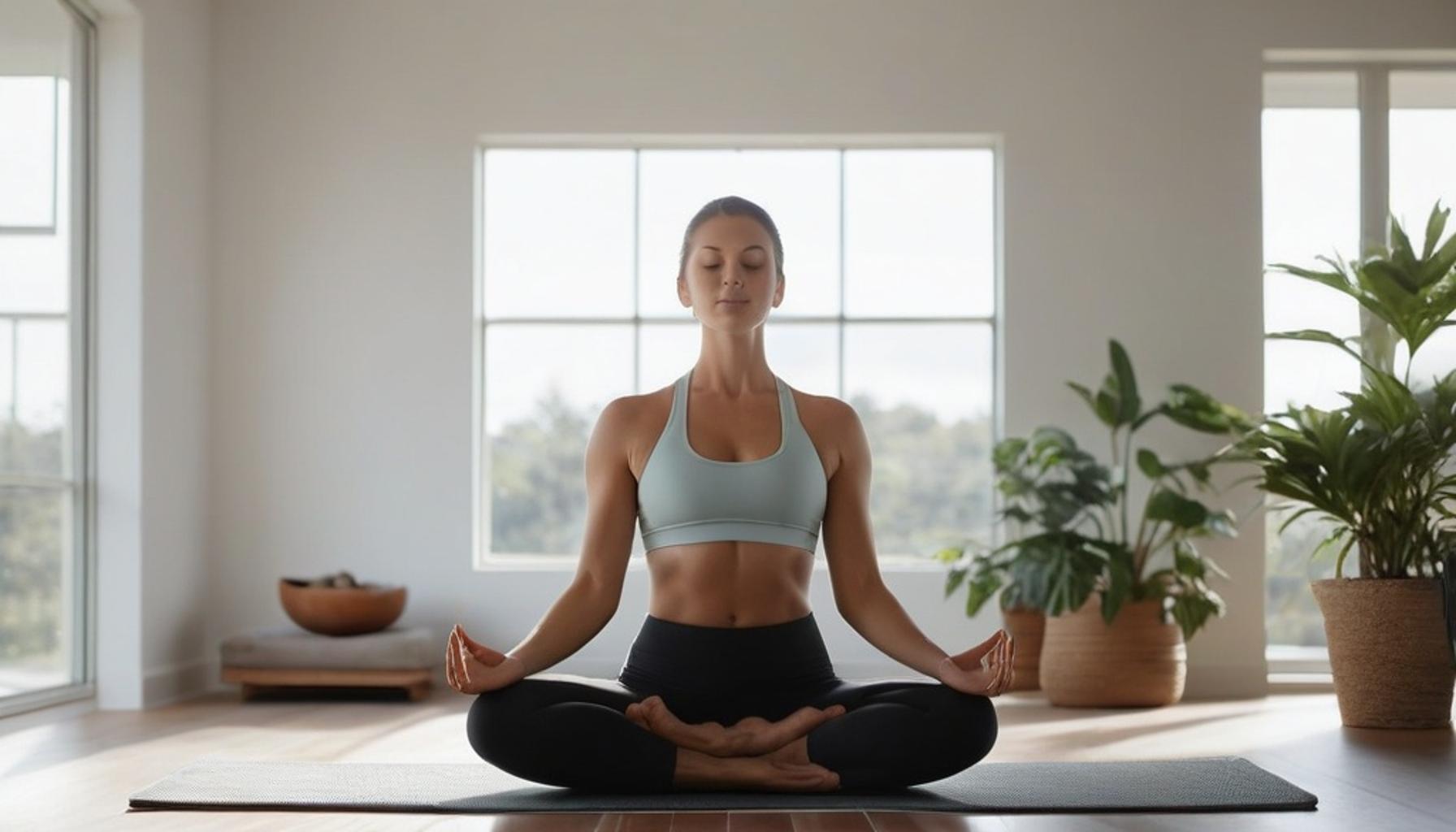
Creating Calm Spaces: The Intersection of Minimalist Organization and Mindful Living
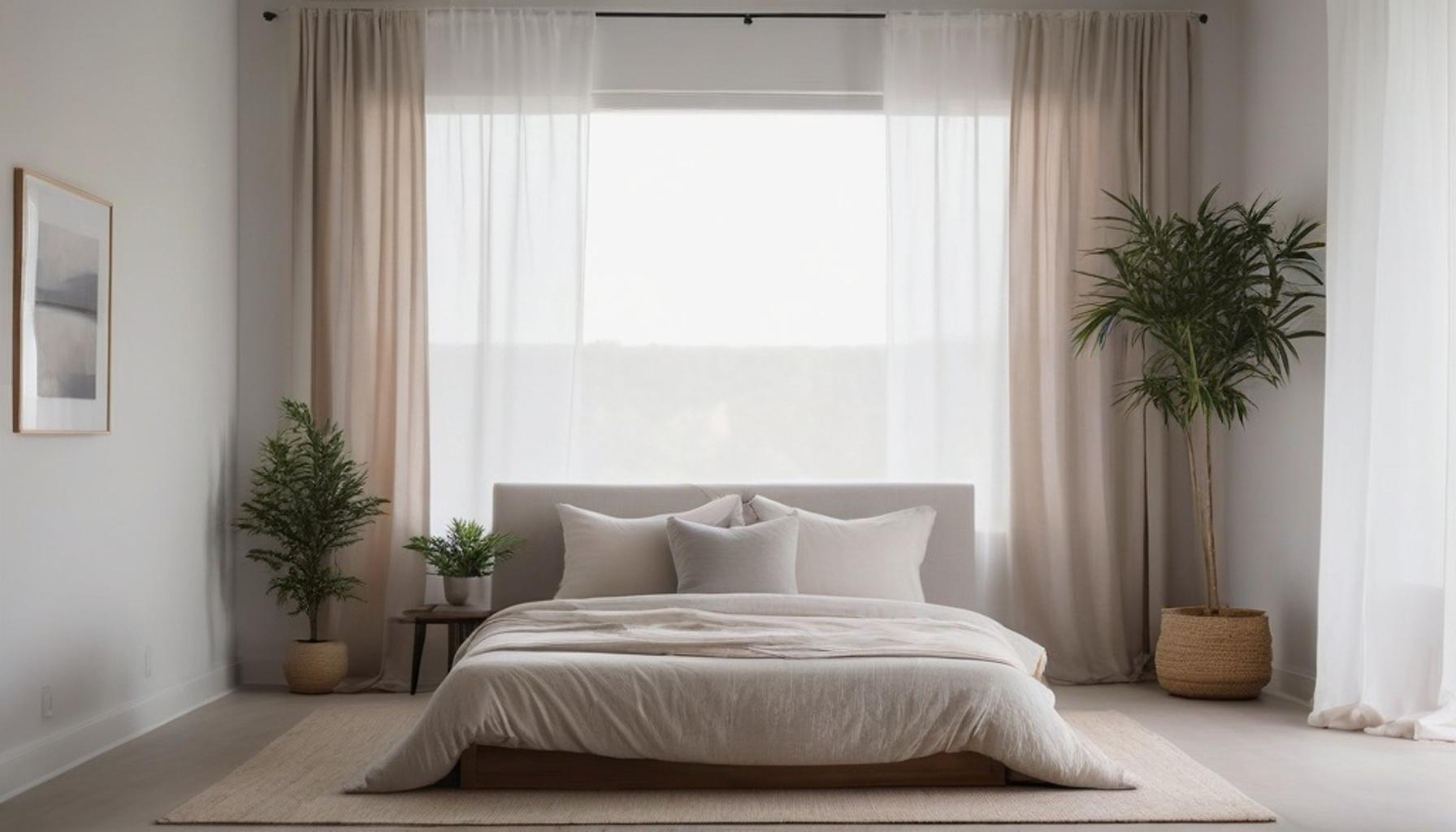
Why Your Home Might Be Sabotaging Your Peace of Mind
Americans spend an average of 90% of their time indoors, yet many living spaces are filled with an overwhelming amount of clutter. This clutter doesn’t merely occupy physical space; it can also drain mental energy and rob individuals of their peace of mind. Psychologists have established a clear link between visual clutter and elevated cortisol levels, particularly impacting women who often juggle numerous household responsibilities. High cortisol is known as the “stress hormone,” and its presence in our living environments can contribute to anxiety and decreased overall well-being. Fortunately, achieving tranquility doesn’t require a summer-long renovation or a drastic lifestyle change; instead, it can be approached through a shift toward intentional simplicity.
The Rise of Calm Spaces in Modern Living
Across the country, homeowners are engaging in a transformation regarding the way they perceive and curate their living spaces. Instead of merely aiming for a house that looks visually appealing based on fleeting trends, many are now prioritizing calm spaces—areas designed specifically for fostering mental clarity and enhancing everyday comfort. This revolutionary perspective champions two robust philosophies:
- Minimalist organization — This entails reducing possessions to only those that serve a purpose, creating a more harmonious environment. For instance, envision a kitchen where every utensil has a dedicated spot and unnecessary gadgets are eliminated. Not only does this declutter space, but it also simplifies meal preparation and encourages mindfulness.
- Mindful living — This emphasizes staying present and intentional in daily routines, allowing individuals to engage fully in the moment. Incorporating practices such as morning meditation or digital-free zones can enhance overall mental clarity and satisfaction.
What Readers Will Discover
This guide will delve into an array of practical, research-backed strategies that can transform any home into a personal sanctuary. Expect to gain actionable insights into:
- Minimalist organization tips suitable for both small apartments and spacious homes, empowering you to leverage your space effectively.
- Mindful living techniques that blend seamlessly with decluttering efforts, fostering a stress-free environment.
- Simple, cost-effective methods to create a tranquil home without the need for expensive renovations or complicated designs.
- The science-backed benefits of embracing a minimalist lifestyle, which can lead to reduced stress and improved focus.
It’s crucial to understand that decluttering for mindfulness isn’t solely about owning fewer items for aesthetic appeal. Instead, it’s about cultivating breathing room—both physically and mentally—so that daily life feels less overwhelming and more deliberate. By embracing simplicity, individuals can cultivate a living environment that supports tranquility, creativity, and a sense of purpose. This shift can lead to enhanced emotional well-being, potentially influencing various aspects of life, including relationships, work, and personal growth.
CHECK OUT: Mindful Living and Minimalism: Creating Spaces that Promote Calm and Mental Clarity
The Science Behind Clutter and Cognitive Overload
Neuroscientists at Princeton University discovered something remarkable when they studied the effects of visual clutter on the brain. Their research revealed that disorganized environments compete for our attention, forcing the brain’s visual cortex to work overtime processing unnecessary stimuli. This constant background processing leaves fewer cognitive resources available for the tasks that actually matter, whether that’s finishing a work project or simply enjoying dinner with family.
The findings help explain why so many Americans report feeling exhausted despite not engaging in physically demanding activities. Calm spaces aren’t just aesthetically pleasing; they’re neurologically necessary for optimal brain function. When the environment is simplified, the brain can redirect its energy toward creativity, problem-solving, and genuine relaxation.
How Clutter Manifests in Everyday American Homes
Walk into any typical suburban home across the United States, and you’ll likely encounter familiar culprits of chaos. Understanding these patterns is the first step toward implementing effective minimalist organization tips.
- The “junk drawer” phenomenon — Nearly every American kitchen has one, overflowing with rubber bands, expired coupons, and mismatched batteries.
- Closet overflow — The average American household reportedly contains over 300,000 items, with clothing alone accounting for a significant portion of unused belongings.
- Digital clutter — Overflowing email inboxes and disorganized phone apps contribute to mental fatigue just as much as physical mess.
- Surface accumulation — Countertops, coffee tables, and desks often become resting spots for mail, receipts, and miscellaneous items that never find a permanent home.
Recognizing these patterns matters because it shifts the conversation from vague notions of “being messy” to specific, addressable habits. Once identified, these clutter zones become manageable targets rather than overwhelming obstacles.
Why Mindful Living Techniques Amplify Organizational Efforts
Simply removing physical items, however, only addresses half the equation. Pairing decluttering for mindfulness with intentional daily practices creates a more sustainable transformation. For example, spending just five minutes each evening returning items to their designated spots reinforces both order and presence.
This combination approach explains why the benefits of minimalist lifestyle changes tend to compound over time. As physical space clears, mental clarity often follows, creating a positive feedback loop that encourages continued simplification. The goal isn’t perfection, but rather progress toward a home that genuinely supports well-being rather than working against it.
| Key Aspect | Description |
|---|---|
| Minimalist Organization | Focuses on decluttering and simplifying spaces to facilitate better mental clarity. |
| Mindful Living | Incorporates intentional practices that foster presence, such as meditation or focused breathing. |
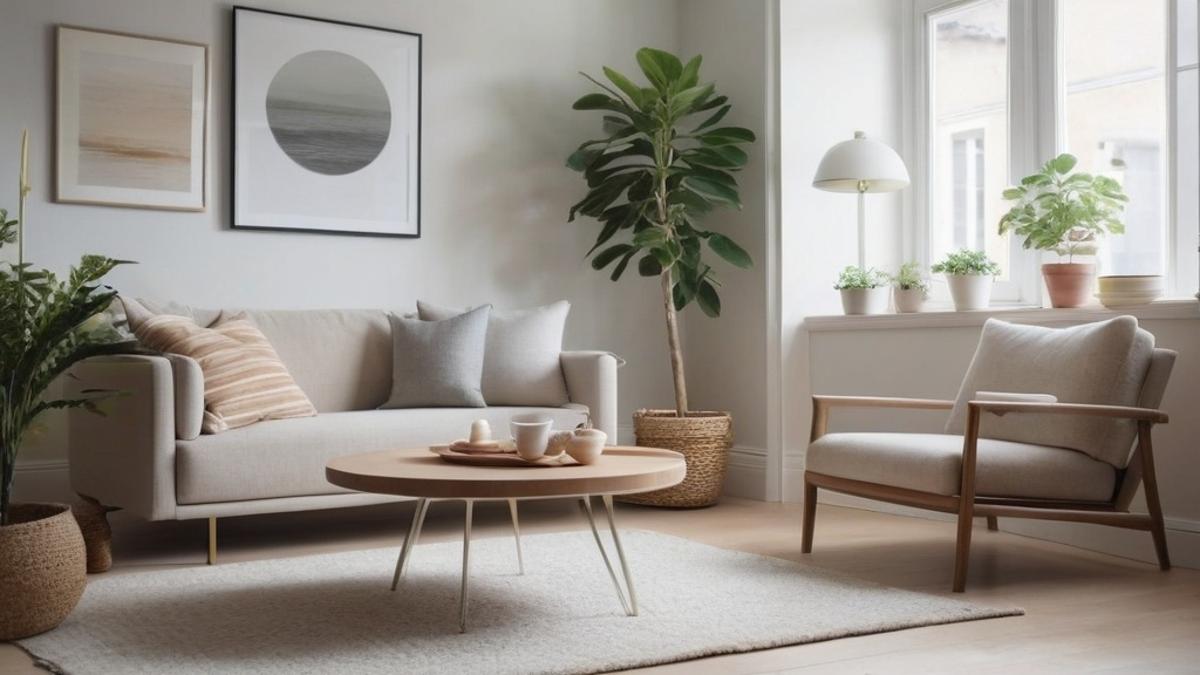
| Creating a Tranquil Home | Involves using natural elements and soothing colors to enhance a calming atmosphere. |
| Benefits of Minimalist Lifestyle | Promotes mental well-being by reducing stress and overwhelming stimuli. |
LEARN MORE: The Art of Living with Less: How Minimalism Enhances the Practice of Mindful Living
Practical Strategies for Building Lasting Calm Spaces
Transforming cluttered rooms into serene environments doesn’t require a complete overhaul or a weekend spent binge-watching home renovation shows. Instead, sustainable change comes from small, deliberate actions repeated consistently. Organizational experts across the country, from New York apartment dwellers to Californian minimalists, agree that starting small prevents the burnout that often derails ambitious decluttering projects.
The One-Room Rule and Other Manageable Approaches
Professional organizers frequently recommend tackling a single room or even a single drawer before expanding efforts elsewhere. This method, sometimes called the “one-room rule,” prevents the overwhelm that causes many well-intentioned decluttering attempts to stall after just a few hours.
- The 90/90 rule — If an item hasn’t been used in the past 90 days and won’t likely be used in the next 90, it’s a candidate for donation or disposal.
- One-in, one-out policy — For every new item brought into the home, one existing item leaves, keeping overall volume stable.
- Designated homes for everyday items — Keys, mail, and shoes each need a specific spot, eliminating the daily scramble that fuels frustration.
- Vertical storage solutions — Wall-mounted shelves and hooks free up floor and counter space, particularly valuable in smaller American apartments where square footage is limited.
These minimalist organization tips work because they reduce decision fatigue. When belongings have designated places, the brain no longer needs to negotiate where things “should” go, freeing mental bandwidth for more meaningful tasks.
Integrating Mindfulness Into the Physical Process
Beyond simply removing items, how a person declutters matters significantly. Rushing through closets while distracted rarely produces lasting results. Instead, approaching the process with full attention transforms a chore into a genuinely reflective practice.
Occupational therapists have noted that clients who pause to consider why they’re keeping or discarding an item report greater satisfaction with their finished spaces. This intentionality is central to decluttering for mindfulness, as it encourages a deeper relationship with belongings rather than a reactive purge driven by frustration.
Simple practices reinforce this connection. Taking three deep breaths before starting an organizing session, or setting a timer for focused fifteen-minute bursts, keeps the mind anchored in the present moment rather than spiraling into overwhelm about the larger mess.
Many who adopt these mindful living techniques discover an unexpected side effect: increased gratitude for what remains. Rather than mourning discarded items, they begin appreciating the few possessions that truly serve their daily lives, reinforcing the broader benefits of minimalist lifestyle choices throughout the home.
SEE ALSO: Mindful Living and Space Organization: Creating Environments that Promote Mental Clarity
Bringing It All Together: A Lasting Path Toward Calm Spaces
Creating calm spaces isn’t a one-time weekend project or a fleeting trend borrowed from social media. It’s an ongoing practice that blends physical organization with mental clarity, and the two reinforce each other in ways that extend far beyond tidy shelves.
Throughout this discussion, one theme has remained constant: intentionality matters more than perfection. Whether applying the 90/90 rule to a crowded closet or pausing for a few mindful breaths mid-declutter, small consistent actions build the foundation for a home that genuinely feels restorative rather than merely photogenic.
Across the United States, from compact city apartments to sprawling suburban houses, the demand to create a tranquil home continues to grow. This isn’t surprising considering how much time Americans now spend indoors, working remotely, and seeking refuge from digital overload. A calm, organized environment offers a tangible counterbalance to that constant stimulation.
For those ready to begin, remember these core takeaways:
- Start with one room or drawer rather than attempting an entire home at once.
- Apply simple decision-making frameworks like the 90/90 rule to reduce clutter without excessive deliberation.
- Approach the process with presence and reflection, not just efficiency.
- Recognize that decluttering for mindfulness is a continuous habit, not a finished checklist.
Ultimately, the benefits of minimalist lifestyle choices reach well beyond aesthetics. They shape how people feel the moment they walk through their front door. As more households experiment with these minimalist organization tips and mindful living techniques, the connection between physical space and mental well-being becomes increasingly difficult to ignore. Perhaps the most valuable insight is this: calm isn’t something to buy or install, but something to cultivate, one intentional choice at a time.
Frequently Asked Questions
What are some practical steps to start creating a calm space in my home?
Begin by decluttering each room, removing items that no longer serve a purpose or bring you joy. Focus on organizing essentials in a minimalistic way, using storage solutions that keep surfaces clear. Additionally, incorporate calming colors and natural elements to enhance the serene atmosphere.
How does minimalist organization contribute to my overall mindfulness?
Minimalist organization reduces visual clutter and distractions, allowing your mind to focus on the present moment. By simplifying your space, you create an environment that encourages relaxation and mental clarity, which are essential components of mindful living.
Can I create calm spaces in a small apartment?
Absolutely! In a small apartment, you can maximize tranquility by carefully selecting multifunctional furniture and utilizing vertical storage. Keep decor minimal and choose calming colors to create an illusion of space, fostering a peaceful atmosphere within your limited square footage.
What role do plants play in creating calm spaces?
Plants are excellent for enhancing calm spaces as they bring a touch of nature indoors and improve air quality. They can also reduce stress levels and promote a sense of well-being. Choose easy-to-care-for plants, such as succulents or peace lilies, to ensure your space remains serene and inviting.
How important is lighting in the creation of calm spaces?
Lighting is crucial in establishing a calm atmosphere; soft, natural light is ideal for promoting relaxation. Consider using dimmers or warm light bulbs to create a soothing ambiance, and take advantage of natural light during the day to elevate your mood.
Are there specific colors that are recommended for creating calm spaces?
Yes, colors such as soft blues, greens, and neutral tones like beige or gray are often recommended for calming environments. These colors evoke feelings of tranquility and help reduce stress, making them perfect for spaces intended for relaxation and mindfulness.

Beatriz
Beatriz Johnson is a seasoned minimalist and writer with a passion for simplifying the complexities of personal organization and intentional living. With over a decade of experience in decluttering strategies and mindful consumption, she specializes in topics like space optimization, habit simplification, and sustainable lifestyle choices. Through her work on our website, Beatriz empowers readers to embrace minimalism, reduce mental and physical clutter, and create more meaningful, organized lives in today's fast-paced world.