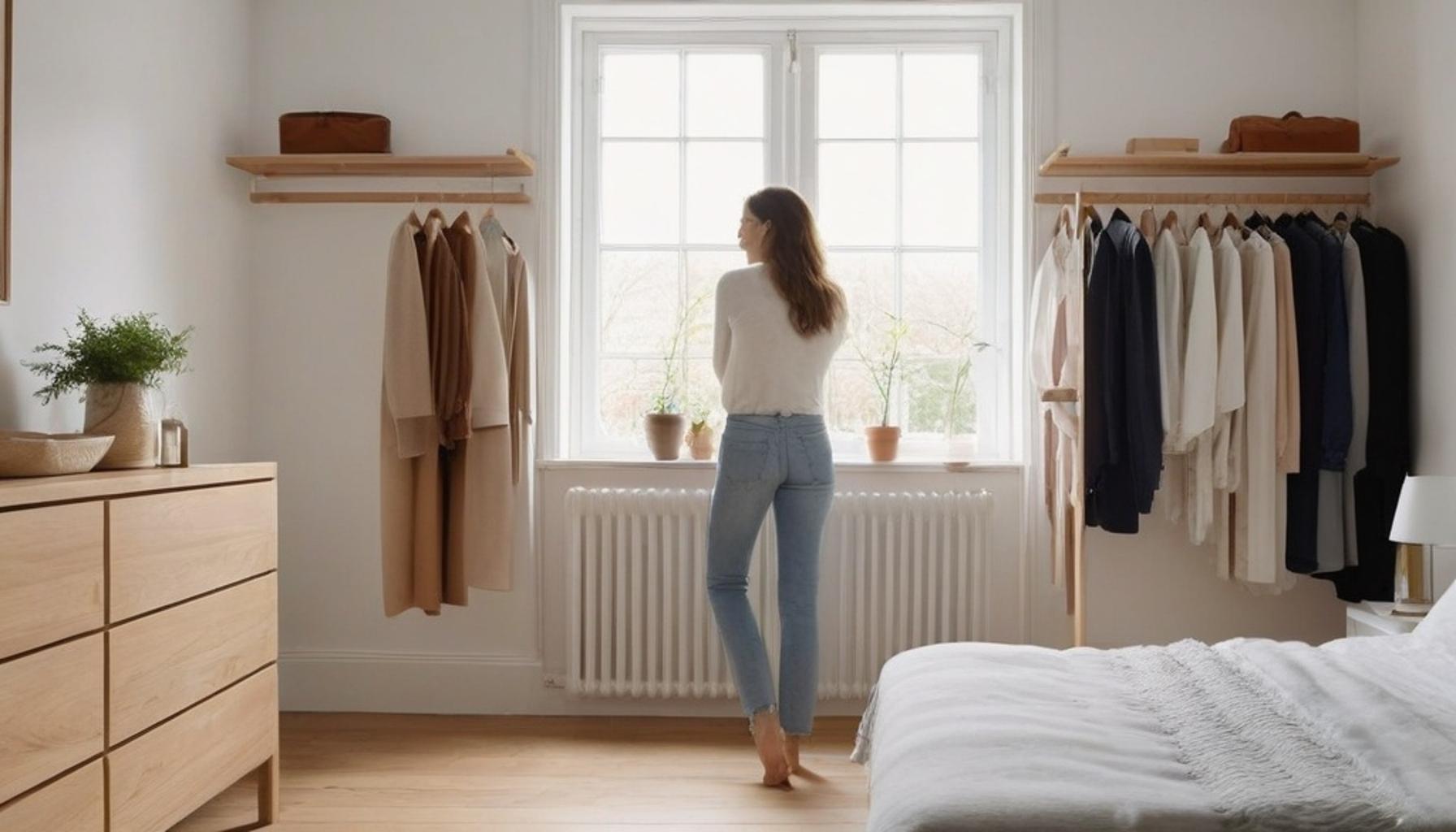
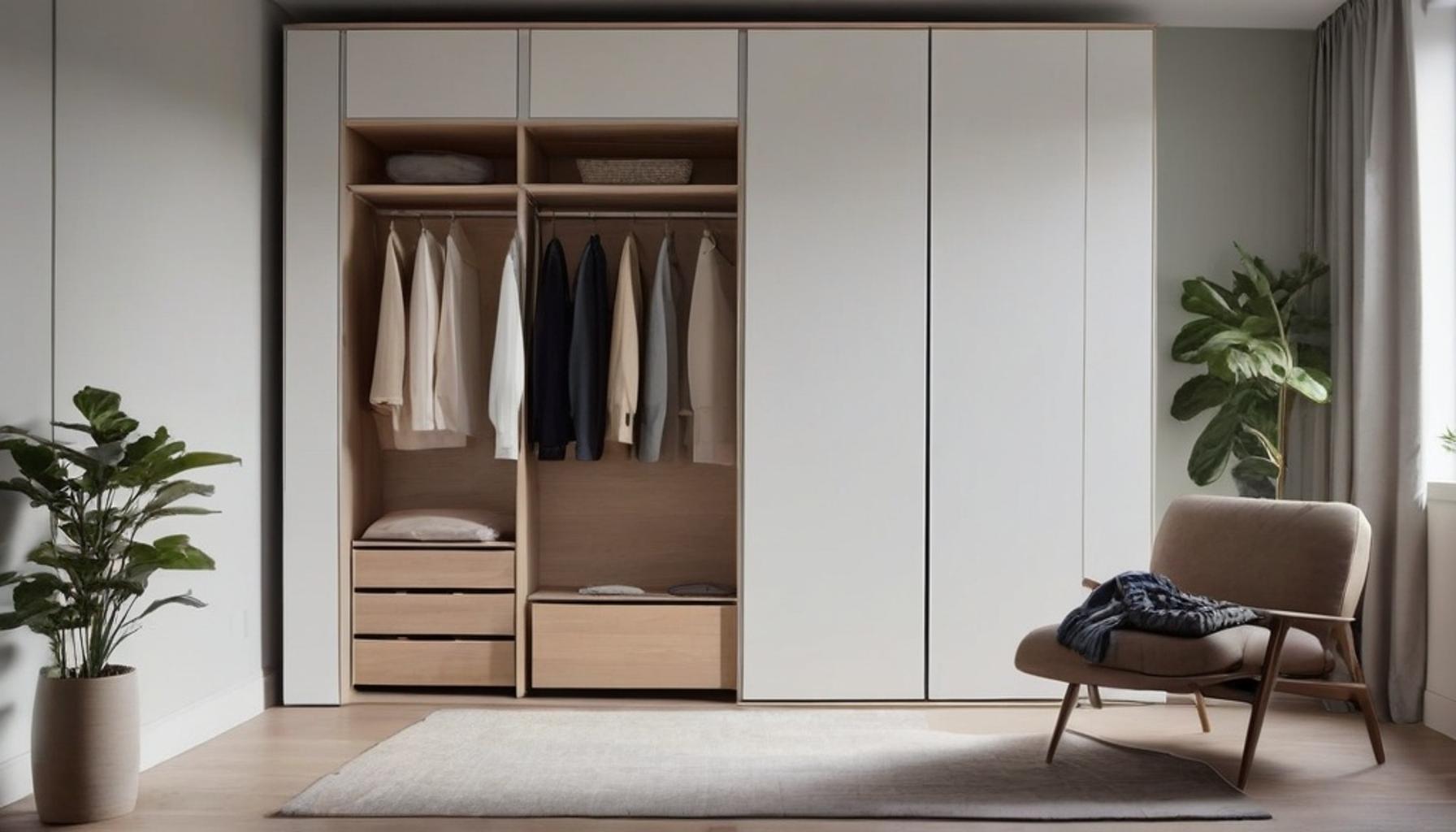
Maximizing Small Spaces: Minimalist Organization Strategies for Urban Apartments
Small Footprint, Smart Living
City living often involves the delicate balance of trading square footage for convenience. With the average American apartment in vibrant metropolises like New York or San Francisco now hovering around 750 square feet, urban residents are increasingly challenged to rethink their utilization of every inch within their homes. This predicament calls for innovation in living spaces to enhance both functionality and comfort.
Here, minimalist organization strategies come into sharp focus. Instead of the typical approach of accumulating storage bins and cluttering valuable spaces, urban dwellers are now embracing the practice of editing their possessions, streamlining their decor, and reimagining the layout of their homes altogether. This transformative practice not only allows for a cleaner aesthetic but also fosters a more peaceful living environment.
Why This Matters Now
The importance of urban apartment organization transcends mere tidiness; it is a vital aspect of reclaiming mental space and driving daily efficiency. Research in psychology has consistently shown that cluttered environments contribute significantly to increased stress and diminished focus. For example, a Stanford University study found that individuals living in cluttered homes were significantly more likely to feel overwhelmed and fatigued.
Fortunately, maximizing small spaces does not necessitate a total renovation or breaking the bank on new furniture. A series of intentional, strategic changes can completely revitalize a cramped studio into a functional, breathable sanctuary.
This article will delve into practical and tested approaches including:
- Vertical storage solutions that effectively utilize wall space instead of consuming precious floor space, such as shelving units or wall-mounted hooks.
- Multi-functional furniture designed specifically for efficient apartment layouts, like sofa beds and coffee tables with hidden storage compartments.
- Digital decluttering methods aimed at reducing physical papers and device overload, which can help free up a significant amount of physical and mental space.
- Room-by-room small space storage ideas tailored for kitchens, closets, and entryways, ensuring every nook and cranny serves a purpose.
- Simple habits that support long-term minimalist living tips, such as the practice of a ‘one in, one out’ rule for belongings to maintain balance.
Whether you reside in a compact 400-square-foot studio or a snug one-bedroom apartment, these strategies provide real, actionable ways to create more room—without the necessity of moving to the suburbs. With clever organization and design choices, even the smallest spaces can become havens of creativity and efficiency.
LEARN MORE: Simplicity in Practice: How Minimalism Can Transform Your Closet into an Efficient Space
Vertical Thinking: Building Upward When You Can’t Build Outward
When floor space runs out, the solution is often hiding in plain sight: your walls. Vertical storage solutions represent one of the most underutilized opportunities in efficient apartment layouts, yet they can add the equivalent of dozens of square feet in usable storage without touching your floor plan.
Consider the average city apartment wall: eight to nine feet of blank real estate that typically sits empty except for a picture frame or two. Floor-to-ceiling shelving units, wall-mounted racks, and pegboard systems can transform that dead space into functional storage for books, kitchenware, or seasonal items.
Practical Applications for Vertical Storage
Urban apartment organization experts and professional designers often point to a handful of go-to solutions that consistently work across studio and one-bedroom layouts:
- Wall-mounted shelving installed above doorways or windows, capturing space most renters overlook entirely.
- Pegboards in kitchens for hanging pots, utensils, and cutting boards, freeing up cabinet space for food storage.
- Over-the-door organizers in closets and bathrooms, ideal for shoes, cleaning supplies, or toiletries.
- Tension rods installed under sinks or inside cabinets to create an extra tier for cleaning products or linens.
- Hanging planters or hooks near windows, which keep greenery and accessories off countertops entirely.
These aren’t abstract design concepts reserved for Pinterest boards. They’re low-cost, renter-friendly modifications that require little more than a drill, some anchors, and about an hour of installation time. Many can be removed without damaging walls, which matters significantly for the roughly 65% of American city dwellers who rent rather than own.
What makes vertical storage particularly effective as part of broader minimalist organization strategies is its dual function: it declutters horizontal surfaces while simultaneously making items more visible and accessible. A kitchen with hanging pots, for instance, often proves more efficient than one where cookware is buried in deep cabinets.
New York-based interior designer Marie Kondo popularized the idea that every item should have a designated home. Vertical storage takes that philosophy one step further, assigning items not just a home, but a home that doesn’t compete with the square footage you need for actual living.
As city rents continue climbing—median rent for a one-bedroom in Manhattan now exceeds $4,200 a month—residents are discovering that reclaiming wasted vertical space is one of the most cost-effective ways to feel like they’re getting more from every dollar spent on rent.
| Category | Details |
|---|---|
| Vertical Space Utilization | Incorporate shelves and wall-mounted storage, freeing up floor space and enhancing accessibility. |
| Multi-Functional Furniture | Utilize pieces like sofa beds and ottomans with storage, optimizing functionality while maintaining a stylish aesthetic. |
| Hidden Storage Solutions | Incorporate under-bed storage and in-wall cubbies to keep clutter out of sight, embracing minimalist living tips. |
| Decluttering Regularly | Engage in regular decluttering sessions to ensure only essential items remain, aligning perfectly with minimalist organization strategies. |
YOU MAY ALSO LIKE: Functional Minimalism: Designing Multi-Purpose Furniture for Efficient Organization
Multi-Functional Furniture: The Backbone of Efficient Apartment Layouts
As urban living spaces shrink and the cost of real estate continues to rise, residents in metropolitan areas are gravitating towards innovative solutions that maximize utility without sacrificing style. Multi-functional furniture has emerged as a game changer in small apartments, transforming limited floor space into versatile living environments. The principle guiding this trend is simple: each piece of furniture should serve more than one purpose, thus earning its square footage twice over.
Take, for instance, your average city apartment, particularly in bustling urban hubs like Boston, Chicago, and San Francisco, where many studio apartments measure under 500 square feet. Home decor retailers such as IKEA and West Elm have picked up on the changing needs of renters, offering a wider selection of space-efficient designs. This shift is not just an aesthetic choice, but rather a necessity borne out of sheer demand from individuals living in cramped conditions.
Furniture That Works Overtime
The beauty of multi-functional furniture lies in its ability to adapt to various needs without requiring significant changes to existing layouts. Here are some notable examples of furniture designs that are making waves in small space storage solutions:
- Murphy beds that cleverly fold into the wall are a lifesaver for urban dwellers. They allow for instant transformation of a designated sleeping area into a productive home office or a space for yoga during the day, catering to the versatile lifestyles of young professionals.
- Expandable dining tables are designed to cater to both everyday meals for two and larger gatherings. These tables can extend easily to accommodate friends and family during special occasions, providing versatility without demanding permanent floor space.
- Storage benches can serve a dual role, functioning as both a charming seating option and a hidden storage unit at the foot of the bed or by the entryway. This piece not only provides a place to sit while putting on shoes but also cleverly stores linens or out-of-season items.
- Nesting tables have become a trendy addition in studio apartments. These tables can be stacked together when not in use, allowing easy access for those occasional get-togethers while taking minimal space when entertaining is not on the agenda.
- Loft beds have gained popularity particularly among college students and young professionals. By elevating a bed high off the ground, individuals can create an underneath space suited for a desk, a comfortable lounge area, or even a small workout spot.
The increasing popularity of these multi-functional options reflects a pressing concern among younger renters. According to a 2023 survey by the National Association of Home Builders, nearly 72% of renters under 35 reported that storage limitations were their top complaint regarding their current housing situations, outpacing concerns about noise or natural light. Multi-functional furniture directly addresses this issue, providing essential storage solutions while allowing occupants to reside comfortably within smaller spaces.
What differentiates a well-utilized apartment layout from one that feels cramped often stems from intentional design choices. Selecting furniture based on versatility not only saves space but also simplifies daily living. Fewer, smarter pieces of furniture lead to reduced decision fatigue, as there’s less to organize and maintain.
This thoughtful approach to furnishing also intersects with principles of minimalist organization. It’s not merely about the trendy notion of owning less; it revolves around ensuring that every item contributes meaningfully to everyday life, maximizing the value of the rental price already being paid. As urban living becomes more complex and demanding, adopting multi-functional furniture may prove to be a key strategy for modern living, harmonizing efficiency with style in increasingly compact spaces.
CHECK OUT: The Art of Letting Go: How Minimizing Possessions Can Free Up Physical and Mental Space
Bringing It All Together: Smarter Living in Smaller Footprints
Across cities like New York, Los Angeles, and Seattle, the math of urban living remains unchanged: square footage is expensive, and clutter is costly in more ways than one. The good news is that minimalist organization strategies offer a practical, proven path forward for anyone navigating a compact rental.
Throughout this discussion, one theme has surfaced repeatedly. Maximizing small spaces isn’t about deprivation. It’s about intention. Every drawer, shelf, and piece of furniture should justify its presence, whether through hidden storage, dual functionality, or simple everyday necessity.
Multi-functional furniture, as explored above, represents just one piece of a larger puzzle. When combined with vertical storage, decluttering routines, and thoughtful urban apartment organization habits, the results compound. A Murphy bed paired with a labeled closet system and a weekly declutter check can transform a 450-square-foot studio into a home that feels twice its size.
Consider these takeaways for anyone ready to start:
- Audit your space quarterly to identify furniture or belongings that no longer serve a dual purpose.
- Prioritize vertical storage solutions, including wall-mounted shelves and over-the-door organizers.
- Invest in a few high-quality, adaptable pieces rather than accumulating single-use items.
- Apply small space storage ideas consistently, not just during initial move-in.
Renters who commit to these minimalist living tips often report not just a tidier apartment, but a calmer daily routine. With nearly three-quarters of younger renters citing storage as their biggest housing complaint, the demand for smarter, more efficient apartment layouts will likely keep growing alongside urban density.
Ultimately, small-space living rewards those willing to think creatively. As city populations grow and square footage shrinks further, mastering these organizational principles won’t just be a lifestyle trend. It will be an essential skill for modern urban life.
Frequently Asked Questions
What are some effective minimalist organization strategies for tiny urban apartments?
To maximize space in a tiny urban apartment, consider using multifunctional furniture, such as a bed with storage drawers or a sofa that converts into a guest bed. Incorporate vertical storage solutions, like wall-mounted shelves, and utilize under-bed storage for items you rarely use. Decluttering regularly and adopting a ‘one in, one out’ rule can also help maintain a minimalist environment.
How can I create a minimalist organization plan for my small bedroom?
Start by assessing your belongings and removing anything that doesn’t serve a purpose or bring you joy. Use drawer organizers to keep your clothing and accessories neat, and consider a hanging organizer for shoes. Finally, implement a simple color palette to create a serene atmosphere that enhances the sense of space.
What storage solutions work best for maximizing kitchen space in an urban apartment?
Utilize vertical storage by installing shelves above countertops and cabinets to display items and keep frequently used tools within reach. Magnetic strips can hold knives and metal utensils, freeing up drawer space. Use stackable containers for pantry items to maintain organization and optimize limited cabinet space.
How do I maintain a clutter-free environment in a small living room?
Regularly evaluate your possessions and remove items that no longer serve a purpose. Choose furniture that has built-in storage, such as ottomans or coffee tables with compartments. Lastly, limit decorative items to a few key pieces that reflect your style, ensuring that the space remains open and inviting.

Beatriz
Beatriz Johnson is a seasoned minimalist and writer with a passion for simplifying the complexities of personal organization and intentional living. With over a decade of experience in decluttering strategies and mindful consumption, she specializes in topics like space optimization, habit simplification, and sustainable lifestyle choices. Through her work on our website, Beatriz empowers readers to embrace minimalism, reduce mental and physical clutter, and create more meaningful, organized lives in today's fast-paced world.