Maximizing Small Spaces: Creative Solutions for Minimalist Living
Across the United States, the average home size has quietly started shrinking, especially in cities like New York, San Francisco, and Boston where rent per square foot keeps climbing. Maximizing Small Spaces has become less of a design trend and more of a financial necessity for millions of renters and homeowners alike. This transition is not just a fleeting aspect of modern living; it’s a fundamental shift in how Americans view home spaces.
The good news? Limited square footage doesn’t have to mean limited style or function. With the right approach, even a 400-square-foot studio can feel open, organized, and intentional. The philosophy behind small-space living emphasizes the importance of quality over quantity, allowing homeowners and renters to cultivate environments that reflect their personalities while minimizing clutter.
Why Small-Space Living Is Gaining Ground
Minimalist living solutions are no longer simply aesthetic choices—they are practical responses to rising housing costs and a growing appetite for simplicity. According to data from the U.S. Census Bureau, the size of newly built homes has decreased over the past decade, reflecting a trend where smaller living spaces are becoming increasingly desirable. More households are being pushed to get creative, squeezing functionality out of every available inch.
- Space-saving furniture ideas that fold, stack, or transform—think Murphy beds that can seamlessly fold away to create additional floor space, or extendable dining tables that can accommodate guests while being compact for everyday use.
- Vertical storage systems that use walls instead of floor space—installing shelves up to the ceiling can free up valuable ground area, allowing for ample storage while maintaining an airy feel.
- Decluttering for small homes as a lifestyle, not just a one-time project—embracing a mindset of intentionality about possessions helps eliminate the unnecessary and prioritize what truly matters.
- Multi-purpose rooms that adapt throughout the day—designing a room that serves as a home office by day and a guest bedroom by night maximizes the utility of the space available.
This shift isn’t just about fitting more into less; it’s about designing spaces that feel intentional, breathable, and distinctly yours. Today, architects and interior designers are increasingly recognizing that the essence of a successful home lies not in grand square footage, but in the thoughtful arrangement of spaces that promote functionality without sacrificing comfort.
What This Guide Covers
From clever storage hacks to creative home design tips utilized by professional organizers, this article aims to break down real strategies you can apply immediately. Expect actionable advice, not just vague inspiration. It’s essential for individuals and families, whether you’re living in a downtown Chicago apartment or a tiny house in Austin, to realize that the principles of small space organization remain surprisingly universal and adaptable to various lifestyles.
By embracing the concept of small-space living, individuals not only discover innovative ways to optimize their homes but also foster a lifestyle that encourages mindful consumption, sustainability, and deeper appreciation for the spaces we inhabit. Ultimately, small spaces can lead to big possibilities.
RECOMMENDED: The Art of Decluttering: How Space Optimization Enhances Personal Organization
Rethinking Every Square Foot: The Room-by-Room Breakdown
Walk into any well-designed small apartment in Brooklyn or Seattle, and you’ll notice something surprising: the rooms don’t feel cramped—they feel curated. That’s the result of deliberate small space organization, where every object earns its place through function, not just habit. This approach not only enhances aesthetics but also increases the practicality of each space, creating an environment where residents can thrive rather than merely exist within their square footage.
Interior designers who specialize in compact homes often start with a simple audit. They ask clients to walk through each room and identify what’s actually being used versus what’s just occupying space. This exercise can free up 15 to 20 percent of usable square footage without buying a single new product. Through thoughtful evaluation of personal belongings, individuals often discover how much they’ve accumulated, often cluttering precious living space with items that no longer serve a purpose.
The Kitchen: Small but Mighty
Kitchens are often the tightest squeeze in city apartments, yet they don’t have to feel that way. In fact, with a range of innovative design solutions, even the smallest kitchen can become a culinary haven. Magnetic strips for knives, pull-out pantry shelves, and stackable cookware can transform a galley kitchen into a highly functional workspace where cooking becomes a pleasure rather than a chore.
- Wall-mounted racks for pots and pans open up valuable counter space, eliminating the need for bulky drawers filled with kitchen tools.
- Rolling carts serve a dual purpose; they provide extra counter space when cooking and can be easily tucked away for additional room when not in use.
- Over-the-sink cutting boards transform an idle space into a functional prep area, allowing home cooks to utilize every bit of their kitchen.
These aren’t just gadgets—they represent a broader shift in creative home design tips that prioritize adaptability over static layouts. Expect the kitchen to now include multifunctional devices, such as instant pots and air fryers, which allow for ease in meal preparation without requiring large appliances that consume expansive cupboard space.
The Bedroom: Sleep Smarter, Not Bigger
Bedrooms in small homes often double as offices, closets, or even storage units. To maximize this critical space, platform beds with built-in drawers, under-bed storage bins, and wall-mounted nightstands are becoming standard recommendations among professional organizers nationwide. Each element is designed to reclaim space, ensuring that the bedroom serves its primary function—restful sleep—while also accommodating the myriad of other roles it plays.
According to a 2023 survey by the National Association of Home Builders, nearly 30 percent of new apartment buyers cited flexible bedroom storage as a top priority—an indicator that minimalist living solutions are shaping buyer expectations, not just renter compromises. This shift in mindset reflects a growing trend toward prioritizing experience and functionality over the endless chase for excess.
What ties these room-specific strategies together is a mindset: space isn’t something you run out of; it’s something you manage. That distinction is at the heart of Maximizing Small Spaces as both a design philosophy and a practical necessity for modern American living. With rising costs of living in urban areas, many individuals are embracing this philosophy, recognizing that the way we design and use our homes has a profound impact on our lifestyles. By viewing each room and its contents through a lens of purpose and utility, we can cultivate environments that foster creativity, comfort, and functionality without falling prey to the clutter bind.
As you reassess your own living space, consider where you can apply these strategies. Are there areas in your home that can be reimagined? Perhaps the living room can transition into a workspace during the day or your closet can be organized to hold not just clothes but also a few select hobbies. Ultimately, the way to a more spacious life lies in understanding that thoughtful organization can lead to a lifestyle filled with freedom, not limitation.
SEE ALSO: Transforming Cluttered Areas: Innovative Techniques for a Minimalist Home
Vertical Thinking: Furniture and Storage That Work Overtime
Step into a 400-square-foot studio in Manhattan or a converted garage apartment in Austin, and you’ll discover an innovative approach to maximizing living space: verticality. In urban environments where floor space is at a premium, the walls and ceilings transform into untapped resources. This necessity for space-saving furniture ideas goes beyond mere novelty; it reshapes how Americans furnish their increasingly compact homes, aiming for both style and functionality.
Furniture That Multiplies Its Own Value
One shining example of this trend is the revamped Murphy bed. Once considered outdated, these clever designs have become central to modern minimalist aesthetics. Paired expertly with fold-down desks or multipurpose sofa systems, Murphy beds allow a single room to serve as a bedroom by night, a home office during the day, and a living area for entertaining, all within an incredibly efficient footprint.
- Nesting tables offer a flexible solution for both solo evenings at home and gatherings with friends. Their ability to expand for guests and collapse into a compact form eliminates the need for a bulky, separate dining set, making them ideal for space-challenged living areas.
- Storage ottomans serve a dual purpose by providing additional seating and cleverly hiding away blankets, electronics, or seasonal items. This multifunctionality makes them a favorite among those looking to keep spaces tidy without sacrificing style.
- Extendable dining tables are another versatile piece that can easily transition from a narrow console against the wall to a spacious table for dinner parties, demonstrating the importance of adaptability in small spaces.
According to a 2022 report from Statista, the market for multifunctional and convertible furniture in the United States surged by nearly 18 percent compared to the previous year. This growth is a direct response to diminishing average apartment sizes in major metropolitan areas, such as New York City and Los Angeles. As urban living becomes the norm for many, these adaptations are not mere trends but essential strategies for effective living.
Decluttering as a Daily Practice, Not a Spring Event
Decluttering for small homes proves most effective when approached as an ongoing habit rather than an annual chore. Professional organizers advise implementing the “one-in, one-out” rule: each time a new item enters the household, an existing item must be removed. This simple yet powerful discipline helps combat the slow accumulation of belongings, which can easily overwhelm confined spaces, leading to unnecessary stress.
Closets, often the most underutilized areas in small apartments, can significantly benefit from the installation of vertical hanging systems, including double-hung rods, and the use of labeled bins. Some New York-based organizers have reported helping clients reclaim up to 40 percent of closet volume simply by applying these techniques. Such adjustments not only maximize space but also simplify the retrieval of items, promoting a more efficient daily routine.
Ceiling-High Storage and the Power of Sightlines
Another innovative approach involves utilizing ceiling-high storage options, such as floating shelves installed near the ceiling. This captures storage space that is often left vacant while maintaining a visually open lower wall area, thus creating an impression of expansiveness. Designers refer to this strategy as protecting the room’s “sightline,” which is crucial in making a small space feel larger than its actual dimensions.
Furthermore, strategically placed mirrors can dramatically amplify natural light and create an illusion of depth. This clever trick, commonly used in boutique hotel design, is now being incorporated into micro-apartments across bustling cities like San Francisco and Chicago. The visual play created by mirrors adds both depth and brightness, making even the smallest studio feel airy and inviting.
Together, these strategies illustrate that minimalist living solutions are not rooted in sacrifice but rather in the intelligent design of a home. Every surface, shelf, and piece of furniture should contribute meaningfully to daily life—transforming the limitations of small space living into opportunities for creativity and innovation.
Small Footprint, Big Possibilities
From Murphy beds that vanish into walls to closets reorganized with military precision, the strategies explored throughout this piece reveal a common truth: Maximizing Small Spaces is less about square footage and more about intention. Every American city dweller squeezing life into 400 square feet is, in effect, becoming an amateur architect of efficiency.
The numbers back this up. Furniture manufacturers report double-digit growth in convertible designs, while professional organizers in cities like New York and Chicago consistently uncover unused storage potential hiding in plain sight. These aren’t isolated anecdotes—they reflect a broader shift in how Americans are redefining home life amid rising urban costs and shrinking floor plans.
What This Means Going Forward
As micro-apartments and accessory dwelling units become more common across the country, from Seattle to Miami, the demand for small space organization will likely intensify. Renters and homeowners alike are discovering that creative home design tips, once considered niche design-blog fodder, are now essential survival skills for modern living.
What’s particularly compelling is how these solutions extend beyond mere practicality. Vertical storage, multipurpose furniture, and thoughtful decluttering routines don’t just save space—they cultivate a sense of calm and control that many find lacking in cluttered, oversized homes. There’s a psychological dividend here worth noting: research on minimalism consistently links organized environments to reduced stress and improved focus.
Ultimately, the future of compact living likely hinges on continued innovation. Expect to see smarter furniture, modular wall systems, and even AI-assisted layout planning entering the mainstream market within the next few years. For now, though, the tools already exist. Anyone willing to rethink their walls, ceilings, and daily habits can transform a cramped apartment into a home that feels intentional rather than limiting. The real lesson isn’t about square footage at all—it’s about designing a life that fits, no matter the size of the room.
Frequently Asked Questions
What are some effective storage solutions for maximizing small spaces?
To maximize small spaces, consider using multi-functional furniture, such as ottomans with storage, wall-mounted shelves, and under-bed storage boxes. Additionally, utilizing vertical space with tall bookshelves or hanging organizers can help keep clutter at bay while maintaining a clean aesthetic.
How can I make a small room feel larger without major renovations?
To make a small room feel larger, opt for light colors on walls and furnishings to create an airy atmosphere. Mirrors can also be strategically placed to reflect light and create the illusion of more space. Keeping furniture minimal and choosing pieces with exposed legs can further enhance the feeling of openness.
What are some tips for organizing a small kitchen effectively?
In a small kitchen, use magnetic strips to hold knives and other metal utensils, freeing up drawer space. Implement drawer dividers and stackable containers to maximize cabinet use, and consider a rolling cart that can serve as both extra counter space and additional storage.
How can I incorporate plants into my small living space?
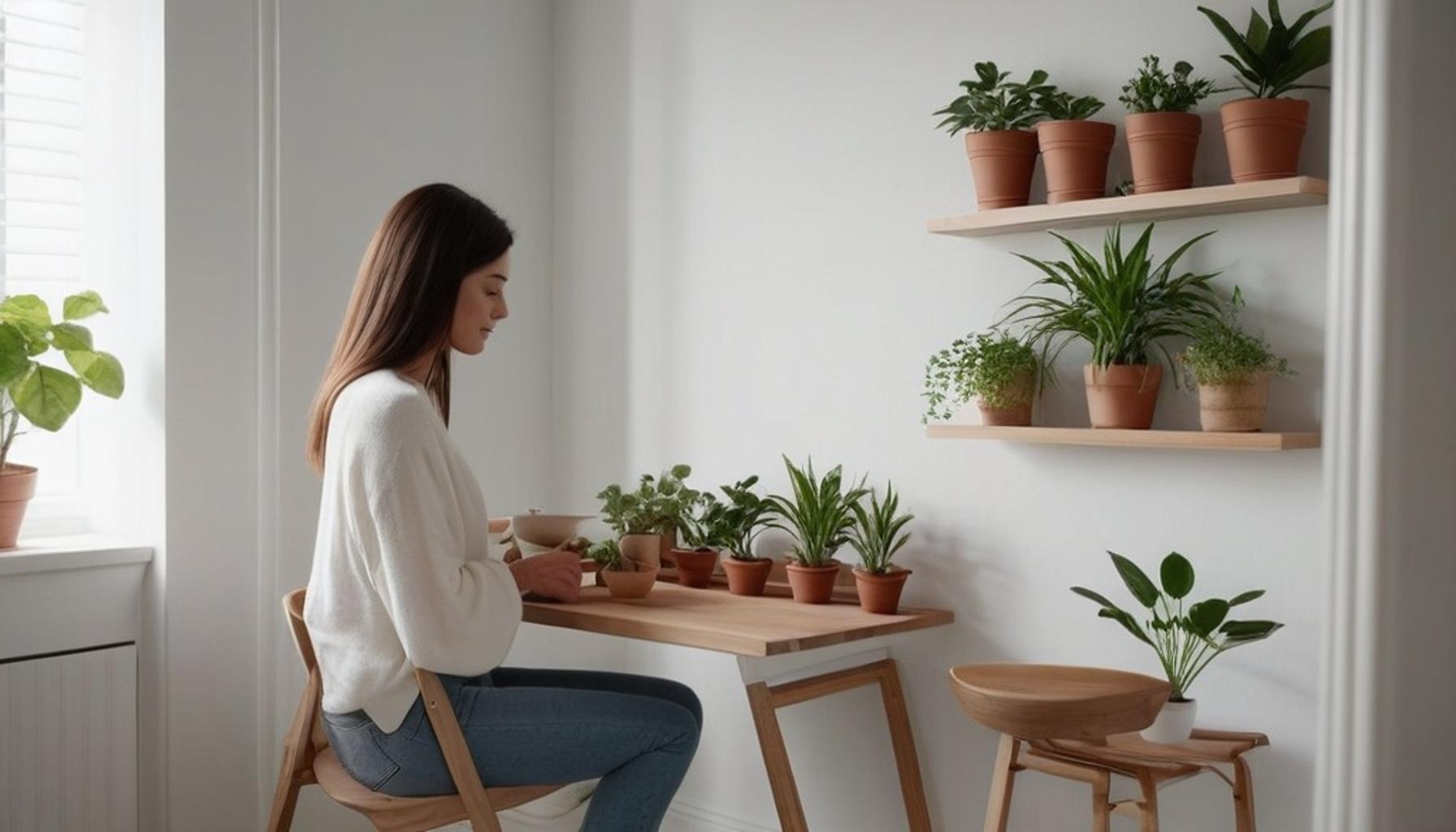
Incorporating plants into small spaces can be done by using wall-mounted planters or hanging pots to save floor space. Choose smaller plant varieties that won’t overwhelm the area, and consider using shelves to display your plants at varying heights for visual interest.
What minimalist design tips can help me when decorating a small apartment?
When decorating a small apartment with a minimalist approach, focus on a limited color palette and choose furniture that complements your space without crowding it. Select key statement pieces and avoid excessive decorations, allowing each item to stand out and contribute to a balanced, cohesive look.
Are there specific furniture styles that work better for maximizing small spaces?
Yes, when maximizing small spaces, look for furniture that is sleek, has clean lines, and is proportional to the area. Avoid oversized furniture and opt for modular or foldable designs, which can adapt to your needs and provide flexibility within your living space.

Linda Carter
Linda Carter is a writer specializing in minimalism and personal organization. With extensive experience helping readers create more functional and balanced routines, she shares practical advice on decluttering, organizing spaces, simplifying daily tasks, and making more intentional choices. Her goal is to offer clear guidance and accessible strategies that help people reduce excess, improve their surroundings, and enjoy a calmer, more organized lifestyle.