Mindful Living as a Tool for Personal Organization: Cultivating Habits that Simplify Life

Why Mindfulness Is Becoming America’s Antidote to Chaos
In today’s fast-paced society, the demands of modern life have become overwhelming for many. Overflowing inboxes, packed schedules, and the incessant ping of notifications create a perfect storm of chaos that leaves individuals feeling drained and anxious. Amidst this whirlwind, millions of Americans are earnestly searching for a way to breathe easier and reclaim their peace. Enter mindful living personal organization, a revolutionary movement that integrates intentional awareness with practical structure.
This burgeoning trend underscores a fundamental shift in lifestyle philosophy, where the emphasis is not on increasing productivity but on enhancing quality through purposeful engagement. It’s not about doing more; it’s about doing less, but with greater focus and intention. In fact, a 2023 survey conducted by the American Psychological Association revealed a staggering 76% of U.S. adults reported feeling overwhelmed by their daily responsibilities. Such overwhelming sentiments underscore the urgent need for strategies that can help individuals navigate their busy lives more effectively.
But what does this mindful approach to daily organization look like in practice? It manifests in seemingly small yet impactful habits. For example:
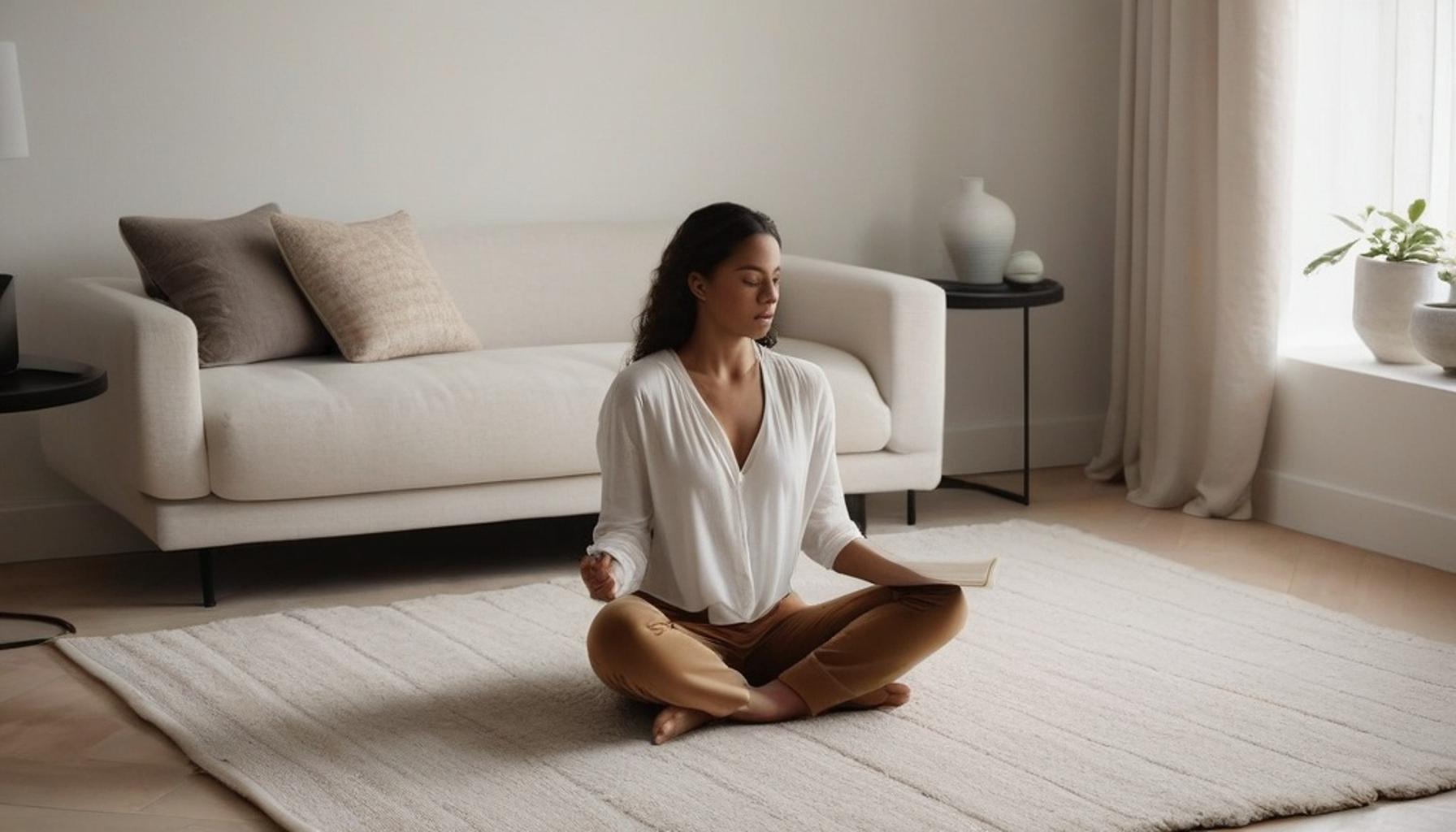
- Starting the morning with five minutes of quiet reflection instead of immediately reaching for the phone can set a positive tone for the day. This intentional pause allows individuals to center themselves, fostering clarity and mindfulness before engaging with the outside world.
- Decluttering one drawer or digital folder at a time serves to create manageable tasks rather than overwhelming oneself with a complete purge. This bite-sized, focused approach reduces procrastination and brings a sense of accomplishment, promoting long-term engagement with personal organization.
- Using a single planner or organizational app instead of juggling multiple tools consolidates information, which significantly decreases cognitive load. A streamlined system not only saves time but also minimizes stress caused by scattered reminders.
- Pausing before saying “yes” to new commitments allows individuals to evaluate their current responsibilities and prioritize effectively. This strategy reduces overcommitment and fosters a more balanced life.
These small shifts in behavior exemplify effective habits for simplifying life. They require minimal effort but can lead to profound changes in the way one experiences daily life. Importantly, these habits don’t necessitate a complete lifestyle overhaul; rather, they hinge on consistent, achievable tools for personal organization that seamlessly fit into real, busy lives.
This article will delve deeper into practical, research-backed simple living techniques that anyone can adopt in their everyday routines. Readers will discover how cultivating mindfulness habits can not only transform their calendars but also enhance their overall sense of control and calm amidst the chaos of daily living.
CHECK OUT: Minimalism and Mindfulness: Creating Spaces that Inspire Tranquility and Mental Clarity
The Science Behind Mindfulness and Mental Clarity
The growing body of research from the field of neuroscience illuminates the powerful effects of mindfulness on mental clarity and personal organization. A significant study by researchers at Harvard University revealed that when individuals engage in mind-wandering or multitasking, they activate the brain’s default mode network. This activation is closely associated with increased anxiety levels and decreased productivity. On the contrary, mindfulness practices have been shown to engage the prefrontal cortex, the area of the brain responsible for executive functions such as decision-making and self-regulation. This scientific basis supports the effectiveness of implementing mindful living into personal organization strategies.
A poignant example of this impact is illustrated in a 2022 study published in the Journal of Occupational Health Psychology. The study monitored office workers across the Midwest and found that those who incorporated brief mindfulness exercises prior to tackling their to-do lists completed tasks a remarkable 23% faster and made significantly fewer errors compared to those who launched directly into their responsibilities. These findings underscore the essential nature of pausing for mindfulness; rather than being a time-consuming distraction from work, it is a valuable investment that enhances overall efficiency.
This understanding sheds light on why many traditional organizational methods often fail to produce desired results. Merely purchasing a new planner or downloading yet another productivity app is unlikely to address the root of the problem, which typically resides in mental clutter rather than mere physical disarray. Consequently, integrating mindfulness in daily organization becomes crucial for enhancing focus and performance.
Core Principles That Make This Approach Different
Mindful organization diverges distinctly from rigid productivity systems that demand strict adherence to complicated schedules or exhaustive spreadsheets. Instead, this approach prioritizes awareness and intentionality, urging individuals to reflect on the reasons behind their organizational efforts before determining the methods to use.
Several core principles differentiate this mindful approach from conventional time-management strategies:
- Intentionality over urgency: Tasks are evaluated and prioritized based on their genuine importance and relevance, rather than the typical pressures of impending deadlines. This shift reduces the stressful, constant firefighting mentality experienced by many in American workplaces and homes, promoting a healthier mindset.
- Single-tasking as a default: Mindful organization encourages the practice of focusing fully on one task at a time. Research indicates that this method not only enhances retention but also significantly reduces the likelihood of errors—far more effective than the often-chaotic juggler’s approach to multitasking.
- Regular reassessment: Implementing weekly check-ins allows individuals to remain responsive to their priorities. This adaptive approach stands in contrast to traditional rigid five-year plans, emphasizing that life is inherently unpredictable and requires flexibility in our organization strategies.
- Physical space as mental reflection: The notion that clutter in a person’s environment often mirrors mental disorder is pivotal. Consequently, decluttering serves as both a practical task and a psychological exercise, promoting clearer thinking and improved focus.
The simple living techniques inherent in mindful organization do not seek perfection but aim to create sustainable systems. These systems are designed to adapt to life’s unpredictability, a necessity for American households balancing careers, family responsibilities, and the continuous barrage of digital distractions vying for attention.
By anchoring daily organization in mindfulness, individuals can cultivate a more grounded and productive way of operating in their personal and professional spheres. Embracing these principles not only fosters a greater sense of mental clarity but also empowers individuals to navigate the complexities of modern life with confidence and ease.

CHECK OUT: Mindful Living and the Art of Letting Go: Creating a Healthy Physical and Mental Space
Practical Habits That Bridge Mindfulness and Daily Structure
Translating theory into practice requires specific, repeatable habits rather than vague intentions to “be more mindful.” Across the United States, professionals and homemakers alike have found that small, consistent rituals produce outsized results when it comes to mindful living personal organization. These habits require minimal time investment but demand genuine presence during execution.
Consider the morning brain dump, a technique gaining traction among productivity coaches in cities like Austin and Seattle. This practice involves spending five to seven minutes each morning writing down every thought, worry, or task cluttering the mind before touching a phone or email inbox. Unlike a traditional to-do list, this exercise prioritizes emptying mental space over immediate action, allowing clearer prioritization afterward.
Building Sustainable Routines Around Awareness
Another widely adopted habit is the transition ritual, a brief pause—often just sixty seconds—inserted between distinct activities throughout the day. Rather than sprinting from a work call directly into dinner preparation, individuals practicing mindful organization take a moment to breathe and mentally close one task before opening another. This small buffer prevents the mental residue of one obligation from bleeding into the next.
Digital boundaries represent another critical component of habits for simplifying life. A 2023 survey conducted by the Pew Research Center found that the average American checks their smartphone approximately 144 times daily, a statistic that correlates strongly with reported feelings of disorganization and mental fatigue. Mindful practitioners often designate specific windows for email and notifications, treating digital communication as a scheduled task rather than a constant interruption.
Several additional habits have proven effective for those seeking practical tools for personal organization:
- The two-minute rule with intention: Rather than mindlessly completing quick tasks, practitioners pause to ask whether the task genuinely needs doing now, avoiding busywork disguised as productivity.
- Evening reflection journaling: Spending five minutes reviewing what worked and what didn’t creates a feedback loop, reinforcing self-awareness without demanding lengthy analysis.
- Single-surface decluttering: Rather than overhauling an entire home, focusing mindfully on one surface, such as a kitchen counter or desk, builds momentum without overwhelming the individual.
- Breath-anchored transitions: Three deep breaths before starting any new task serve as a physical cue, signaling the brain to shift focus and reduce residual stress from prior activities.
What distinguishes these approaches from typical productivity hacks circulating on social media is their foundation in cultivating mindfulness habits rather than chasing efficiency for its own sake. A Cornell University study tracking participants over eight weeks found that those practicing brief, consistent mindfulness rituals reported a 31% improvement in perceived organizational control, even when their actual task load remained unchanged.
This finding suggests that simple living techniques succeed not necessarily by reducing objective responsibilities but by transforming one’s relationship with those responsibilities. For American households juggling remote work schedules, school pickups, and weekend obligations, this shift in perception often matters more than any calendar app or filing system could provide.
Rethinking Order as an Ongoing Practice, Not a Final Destination
The evidence gathered throughout this discussion points to a conclusion that may surprise those still searching for a perfect app or system: mindful living personal organization isn’t a destination but a continuous practice. There is no finish line where a person becomes permanently organized. Instead, there’s a daily renewal of attention, presence, and small deliberate choices that compound over time.
What makes this approach different from decades of productivity advice is its refusal to treat disorganization purely as a logistical problem. Overflowing inboxes and cluttered counters are often symptoms of a deeper disconnect between attention and action. By prioritizing mindfulness in daily organization, individuals address the root cause rather than repeatedly patching surface-level symptoms.
The habits explored here, from morning brain dumps to breath-anchored transitions, share a common thread. They ask for presence rather than perfection. None require expensive tools or drastic lifestyle overhauls, which explains why habits for simplifying life have gained traction among busy Americans juggling careers, families, and digital demands simultaneously.
Skeptics might question whether five minutes of journaling or a handful of deep breaths can genuinely reshape someone’s relationship with chaos. Yet the research cited, including findings from Cornell University, suggests measurable shifts in perceived control, even without reducing actual workload. That distinction matters. It reframes organization as an internal skill rather than an external achievement.
For readers ready to experiment, the path forward doesn’t require choosing every technique at once. Selecting one or two simple living techniques and practicing them consistently for several weeks often reveals more than attempting a complete lifestyle transformation overnight.
Ultimately, cultivating mindfulness habits offers something most productivity systems overlook: a sustainable relationship with daily demands, built one intentional moment at a time.
Frequently Asked Questions
How can mindful living aid in managing daily tasks effectively?
Mindful living encourages you to stay present and focused on the task at hand. By implementing mindfulness techniques, such as prioritizing tasks and creating a designated time for each, you can reduce distractions and enhance your productivity, ultimately leading to better management of daily responsibilities.
What are some specific mindful practices that can improve personal organization?
Practices like journaling, meditation, and intentional planning can significantly enhance personal organization. Journaling allows for reflection on tasks and goals, while meditation helps to clear your mind, making it easier to prioritize and organize your day effectively.
Can mindfulness help in decluttering my home and workspace?
Absolutely! Mindful living promotes a conscious approach to what you keep in your environment. By assessing items with intention and asking whether they serve a purpose or bring joy, mindfulness can simplify and declutter both your home and workspace, fostering a more organized living space.
How do I integrate mindful living techniques into my busy schedule?
Integrating mindfulness into a busy schedule can be achieved through small, intentional actions. Designate short moments throughout the day for mindful breathing or quick reflections, and use tools like mindfulness apps or reminders to stay on track with personal organization goals, even during hectic times.

Linda Carter
Linda Carter is a writer specializing in minimalism and personal organization. With extensive experience helping readers create more functional and balanced routines, she shares practical advice on decluttering, organizing spaces, simplifying daily tasks, and making more intentional choices. Her goal is to offer clear guidance and accessible strategies that help people reduce excess, improve their surroundings, and enjoy a calmer, more organized lifestyle.