Maximizing Small Spaces: Minimalist Solutions for Urban Living
Rethinking Square Footage in America’s Densest Cities
The average American apartment has shrunk by nearly 5% over the past decade, while rents in cities like New York, San Francisco, and Boston continue to climb. For millions of urban dwellers, maximizing small spaces has shifted from a design trend to a daily necessity.
Studio apartments under 500 square feet are now common in major metropolitan areas. In cities known for their high cost of living, such as San Francisco, some apartments even range as low as 350 square feet. Residents are now discovering that clever design can make these compact spaces feel surprisingly functional and even spacious, using an array of innovative techniques.
Why Minimalism Is Taking Over Urban Homes
Minimalist solutions for urban living aren’t just about aesthetics anymore; they’re practical responses to pressing issues such as rising costs, limited storage, and the increasing desire for a simplified, intentional lifestyle. The need for small-space living solutions is being shaped by various factors:
- Rising urban rents: Many residents are being priced out of larger units and are left to seek more compact alternatives that fit their budgets.
- Multi-functional furniture: Products like sofa beds, extendable dining tables, and modular shelving units are replacing bulky, single-purpose pieces, allowing homeowners to alter their spaces with ease.
- Vertical storage systems: These include wall-mounted shelves and over-the-door organizers that free up valuable floor space, turning every inch into a potential storage solution.
- Digital minimalism: By reducing physical clutter through paperless living—embracing cloud storage and digital note-taking—residents can create a more organized and spacious environment.
What This Article Covers
This guide explores actionable small space design ideas tailored specifically for city apartments, condos, and micro-units. You will find real-world urban living storage solutions suitable for kitchens, bedrooms, and home offices, each designed to maximize efficiency and style.
Furthermore, we’ll break down how to declutter small spaces using proven frameworks, helping you to reorganize your belongings in a way that feels refreshing and liberating. The practical minimalist lifestyle tips offered go beyond merely owning less; they encourage a shift in mindset toward thoughtful consumption and intentional living.
Expect specific product recommendations, layout strategies, and cost-effective solutions throughout the guide, tailored to meet the unique challenges and opportunities posed by urban living. With these insights, individuals can transform not just their spaces, but their lives in the bustling heart of America’s densest cities.
LEARN MORE: Creating Zones: How Space Optimization Can Boost Productivity in a Minimalist Home Office
The Room-by-Room Blueprint for Maximizing Small Spaces
Walk into any newly built apartment complex in Chicago, Austin, or Seattle, and you’ll notice a pattern: kitchens tucked into hallways, bedrooms barely wider than the bed frame, and living rooms doing double duty as home offices. Maximizing small spaces now requires a room-specific strategy rather than a one-size-fits-all approach.
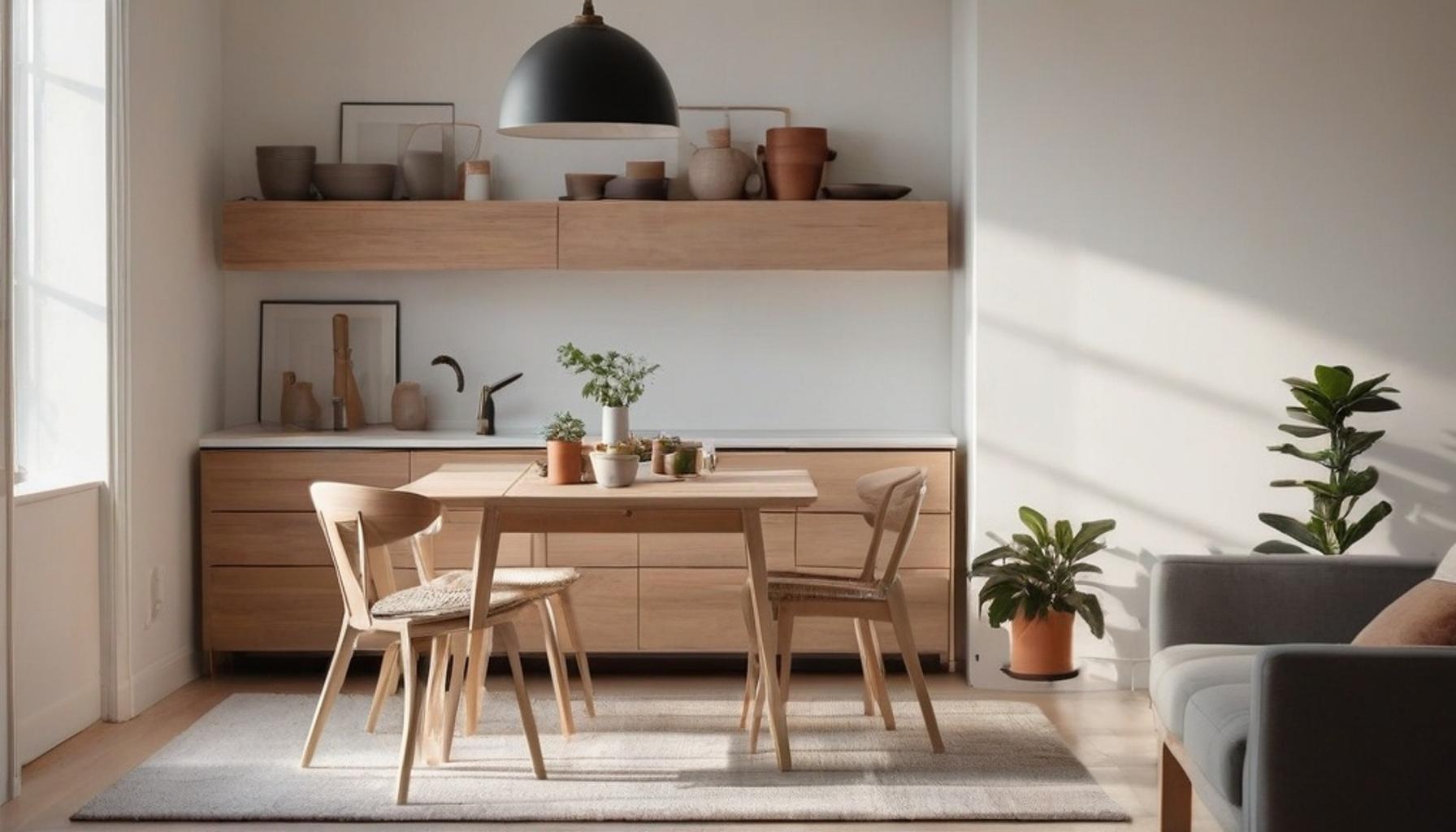
Interior designers who specialize in micro-units often start with the kitchen, since it’s typically the most cramped and least flexible room in a small apartment. A few small space design ideas have become standard practice among renters who’ve mastered compact living:
- Magnetic knife strips and pot rails: These eliminate the need for drawer space while keeping cooking tools within arm’s reach.
- Rolling kitchen carts: Functioning as extra counter space, storage, and even a makeshift dining surface, these carts can be tucked away when not in use.
- Stackable, clear containers: Pantry items become easier to locate and access when stored in uniform, labeled bins rather than their original boxes.
- Under-sink organizers: Tiered shelving beneath the sink can double usable storage in one of the most overlooked corners of a kitchen.
Bedrooms That Work Harder
In cities like New York, where the average studio apartment hovers around 550 square feet according to recent rental market data, bedrooms often serve as sleeping quarters, closets, and storage rooms simultaneously. Beds with built-in drawers, risers that add twelve extra inches of under-bed clearance, and slim wardrobe systems have become go-to urban living storage solutions for renters unwilling to sacrifice comfort for space.
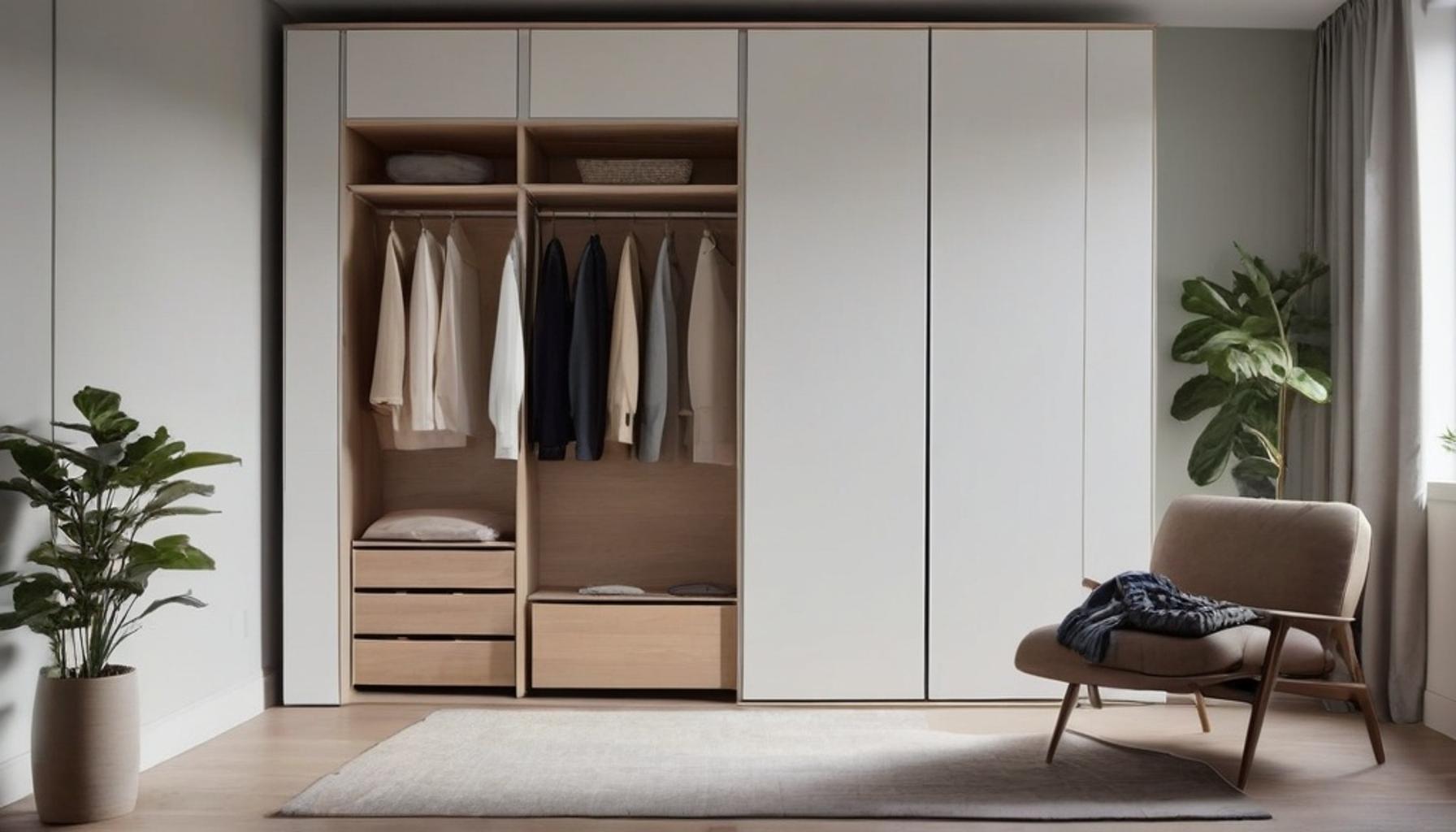
Closet organization systems have also evolved significantly. Instead of a single rod and shelf, modern renters are installing double-hang bars, shoe cubbies, and pull-out drawer units that fit into closets as narrow as 24 inches. These adjustments alone can increase usable storage by up to 40% without any structural changes to the apartment.
The Living Room as a Multi-Purpose Hub
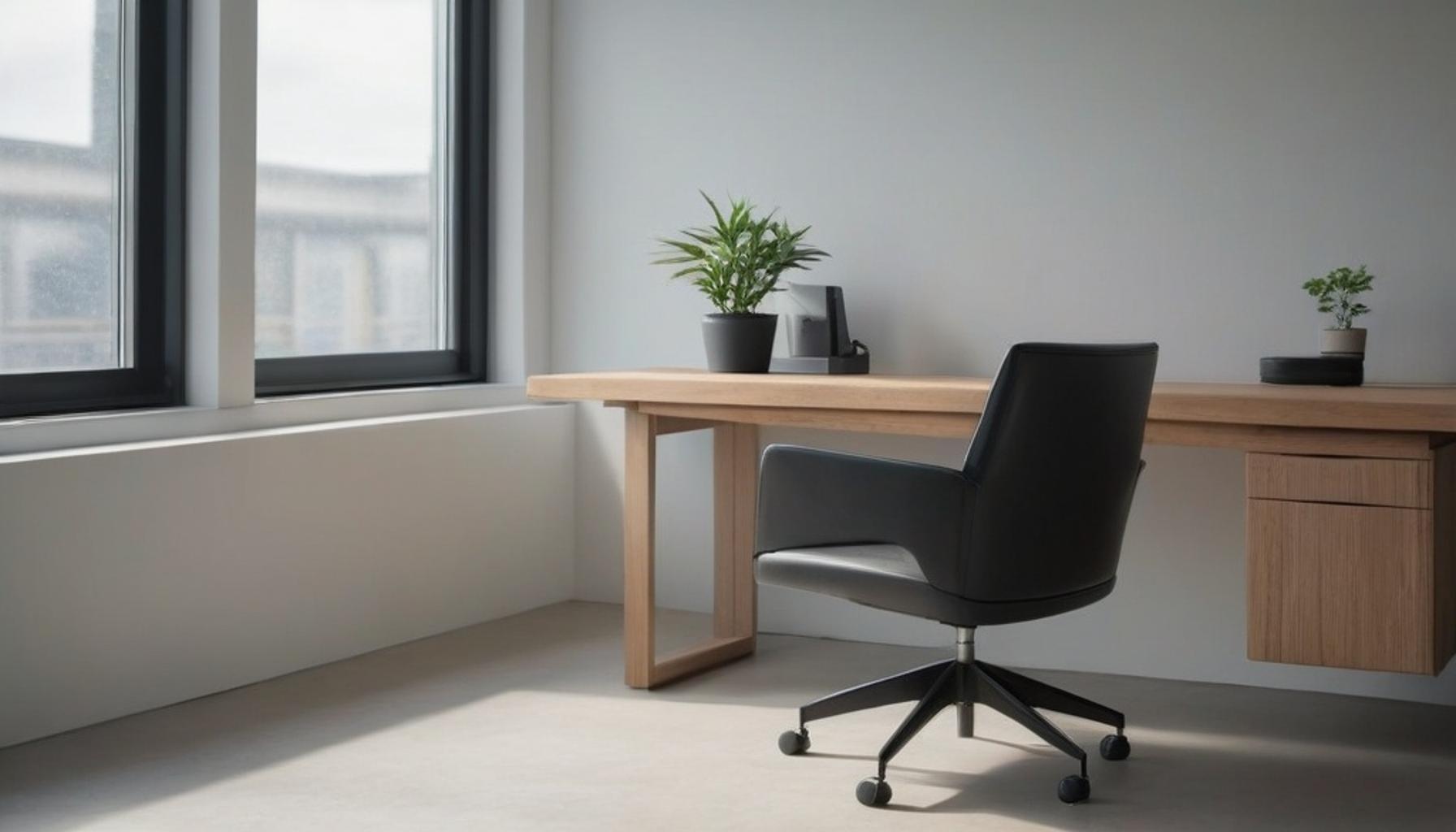
Perhaps no room reflects minimalist solutions for urban living better than the living room, which frequently absorbs the functions of a home office, guest room, and entertainment space. Furniture with hidden compartments, nesting tables that collapse into a single unit, and wall-mounted desks that fold flat against the wall when not in use are transforming how city dwellers approach square footage.
These room-specific strategies form the foundation of a broader lifestyle shift, one that prioritizes function without abandoning style or comfort.
RECOMMENDED: The Art of Decluttering: How Space Optimization Enhances Personal Organization
Vertical Thinking: Why Height Matters More Than Square Footage
Real estate listings obsess over square footage, but the smartest renters in cramped urban markets have started measuring their apartments differently: by cubic footage. Walls that reach nine or ten feet high represent untapped territory, and maximizing small spaces increasingly means looking up rather than out.
Floor-to-ceiling shelving units have become a fixture in apartments from Boston brownstones to San Francisco studios. Rather than treating vertical wall space as decoration real estate for framed prints, residents are installing modular shelving that climbs toward the ceiling, storing everything from books to bulk pantry goods in zones that once sat empty. A shelf placed six feet up may require a step stool, but it also holds items used only occasionally, freeing lower, more accessible storage for daily essentials.
Pegboards, Ladders, and the Rise of Visible Storage
One of the more unexpected small space design ideas gaining traction involves making storage visible instead of hidden. Pegboard walls, once reserved for garages and workshops, now organize kitchen utensils, craft supplies, and even bathroom essentials in small apartments across cities like Portland and Denver.
Ladder shelves, which lean against a wall rather than requiring anchoring, offer another flexible option for renters who can’t drill into walls. These pieces work particularly well in bathrooms, where towels and toiletries often compete for limited cabinet space.
- Wall-mounted spice racks: Free up drawer space while keeping cooking staples visible and organized.
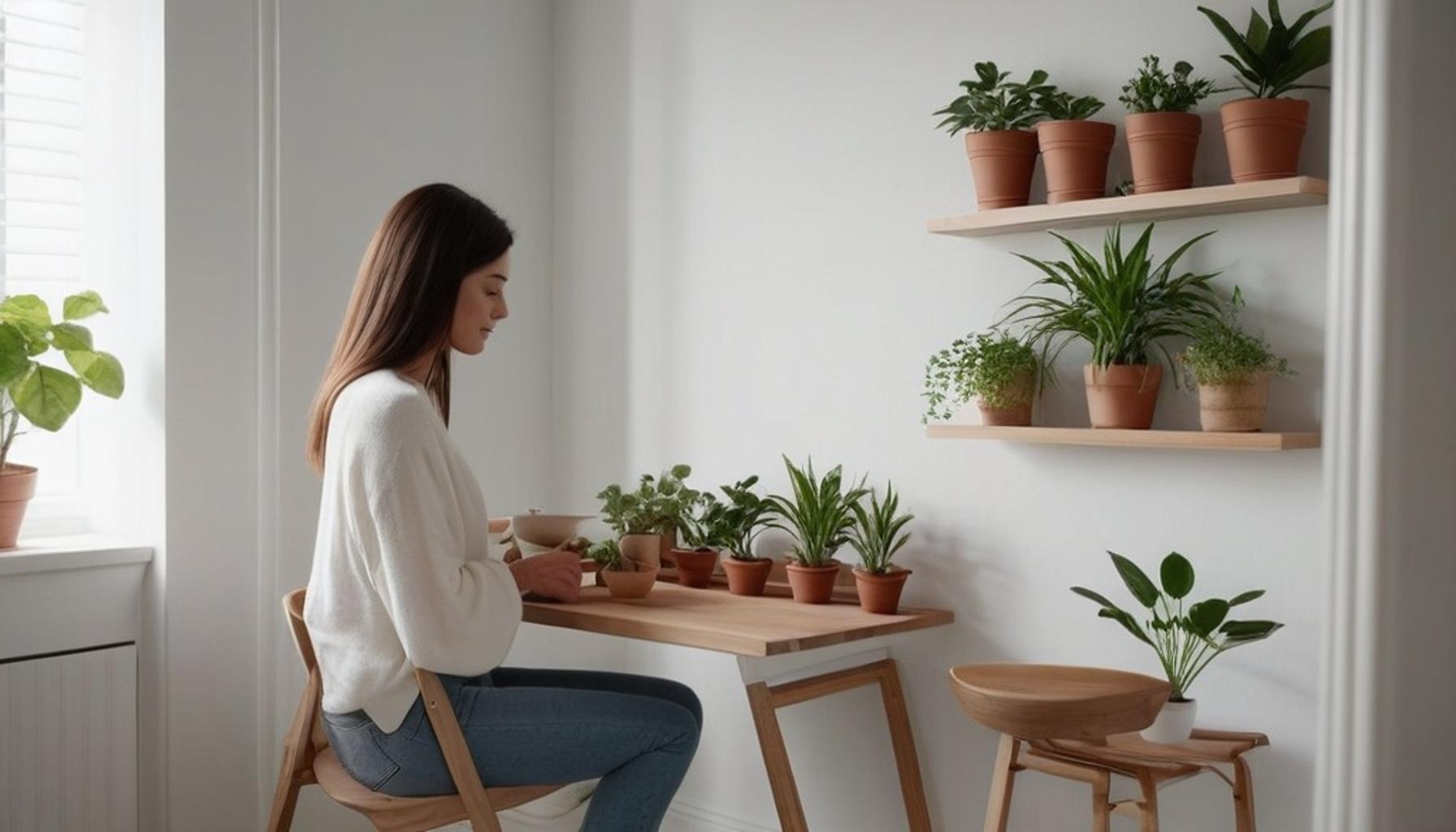
- Hanging planters: Add greenery without consuming counter or floor space, a small but meaningful upgrade for renters seeking a minimalist lifestyle without sacrificing personality.
- Over-the-door organizers: Convert unused door space into storage for shoes, cleaning supplies, or accessories.
Decluttering as the First Step, Not an Afterthought
Before any shelving unit or storage cart enters an apartment, professional organizers insist on a harder conversation: what actually needs to stay? Learning how to declutter small spaces effectively often matters more than any product purchase.
A widely cited approach among minimalist bloggers involves the “one-year rule,” discarding or donating anything unused in the past twelve months, excluding seasonal items. Applied consistently, this practice can reduce total belongings by 20% to 30% within a single decluttering session, according to organizing professionals who work with urban clients.
Digital clutter deserves attention too. Physical mail, paper receipts, and printed documents pile up quickly in small apartments. Scanning documents and switching to digital statements eliminates the need for filing cabinets altogether, a small shift with outsized impact on available space.
Small Footprint, Bigger Possibilities
Across cities from Seattle to Miami, a quiet shift is reshaping how renters approach limited square footage. Maximizing small spaces isn’t about cramming more into less room; it’s about rethinking what a home actually needs to function well.
The strategies covered here, from vertical shelving to visible storage systems, share a common thread: intentionality. Every wall, corner, and door becomes an opportunity rather than a limitation once residents stop measuring apartments solely by square footage and start considering how each surface might serve double duty.
Equally important is the mindset shift behind these minimalist solutions for urban living. Physical changes, like installing a ladder shelf or mounting a pegboard, only go so far without an honest inventory of what truly earns space in a home. The one-year rule and digital decluttering habits mentioned earlier point to a larger truth: efficient living starts with subtraction, not addition.
Urban dwellers experimenting with these urban living storage solutions often report an unexpected benefit beyond tidiness. Apartments that once felt chaotic become calmer, easier to clean, and more adaptable to changing needs, whether that means working from home, hosting guests, or simply finding a misplaced set of keys without a ten-minute search.
For anyone still wondering how to declutter small spaces effectively, the answer likely lies in combining both approaches: pair physical organization tools with regular reassessment of belongings. Neither strategy works particularly well in isolation.
As rents climb and square footage shrinks in major metros nationwide, these minimalist lifestyle tips offer more than temporary fixes. They represent a practical response to a housing reality many Americans now navigate daily. The apartments that feel most livable going forward may not be the largest ones, but the ones organized with the most thought.
Frequently Asked Questions
What are some effective storage solutions for maximizing small spaces in an urban apartment?
To effectively maximize small spaces in an urban apartment, consider using multi-functional furniture like ottomans with storage, wall-mounted shelves, and under-bed storage containers. Utilizing vertical space with tall bookcases or hanging organizers can also help keep your belongings organized without overcrowding your living area.
How can I create a sense of openness in my small living room?
To create a sense of openness in a small living room, use lighter colors on walls and furniture to reflect light. Incorporating mirrors can also give the illusion of more space, while keeping furniture to a minimum and selecting pieces that are visually light can help maintain an airy feel.
What minimalist decor tips can enhance the aesthetics of small spaces?
When decorating small spaces, opt for a few statement pieces rather than cluttering surfaces with many items. Choose artwork or decor that resonates with your style but keeps it simple; for instance, a large piece of art can serve as a focal point without overwhelming the room. Additionally, using natural materials and plants can add warmth without taking up too much space.
Are there any smart home technologies that can help in maximizing small living areas?
Yes, smart home technologies can greatly enhance small living areas by improving efficiency and functionality. Smart lighting systems can help you control brightness and create ambiance without physical switches taking up space. Additionally, smart furniture, such as convertible desks or tech-integrated storage solutions, can save room while keeping your home modern and organized.

Linda Carter
Linda Carter is a writer specializing in minimalism and personal organization. With extensive experience helping readers create more functional and balanced routines, she shares practical advice on decluttering, organizing spaces, simplifying daily tasks, and making more intentional choices. Her goal is to offer clear guidance and accessible strategies that help people reduce excess, improve their surroundings, and enjoy a calmer, more organized lifestyle.