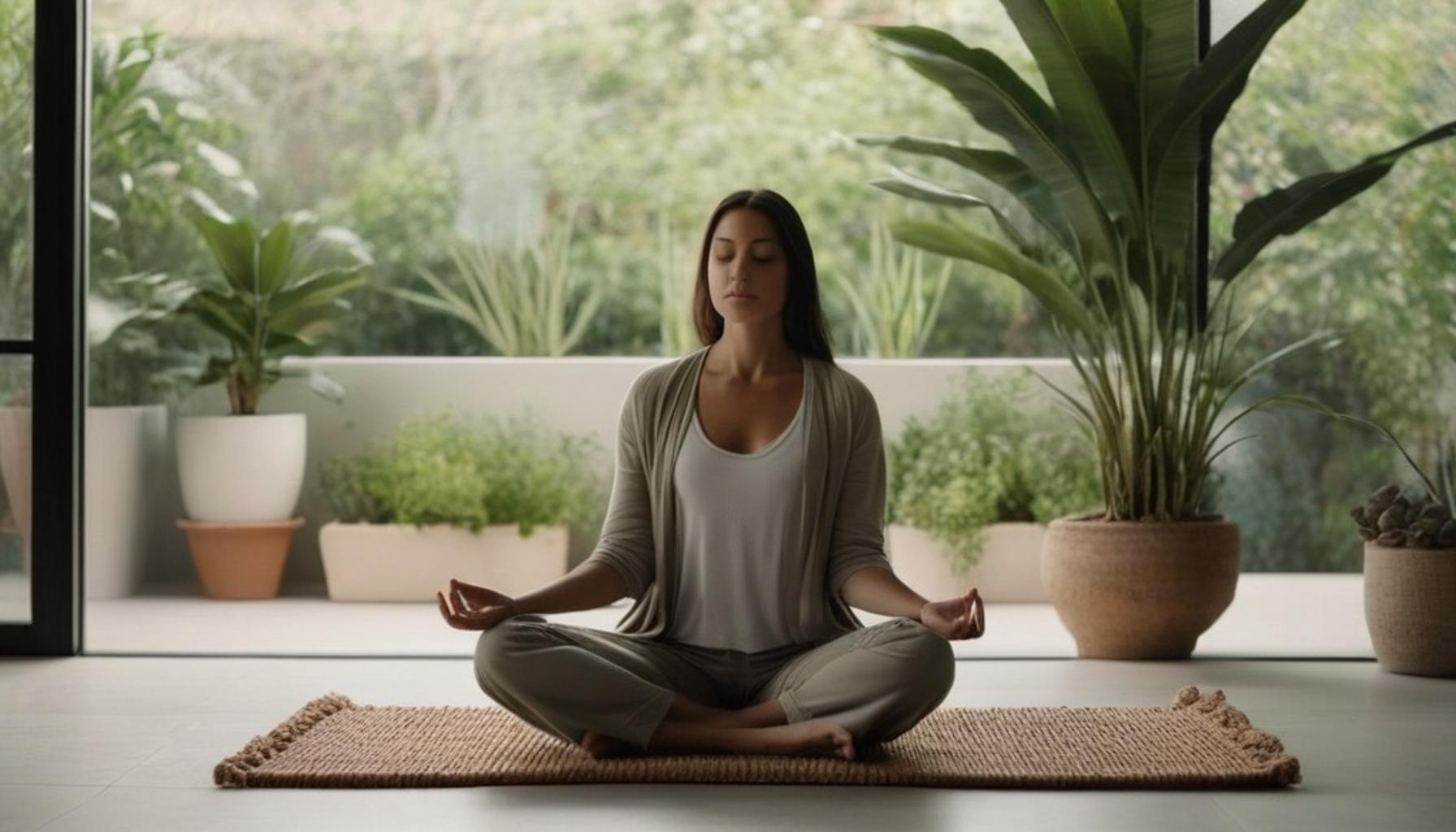
Mindful Living and Space Organization: Creating Environments that Promote Mental Clarity
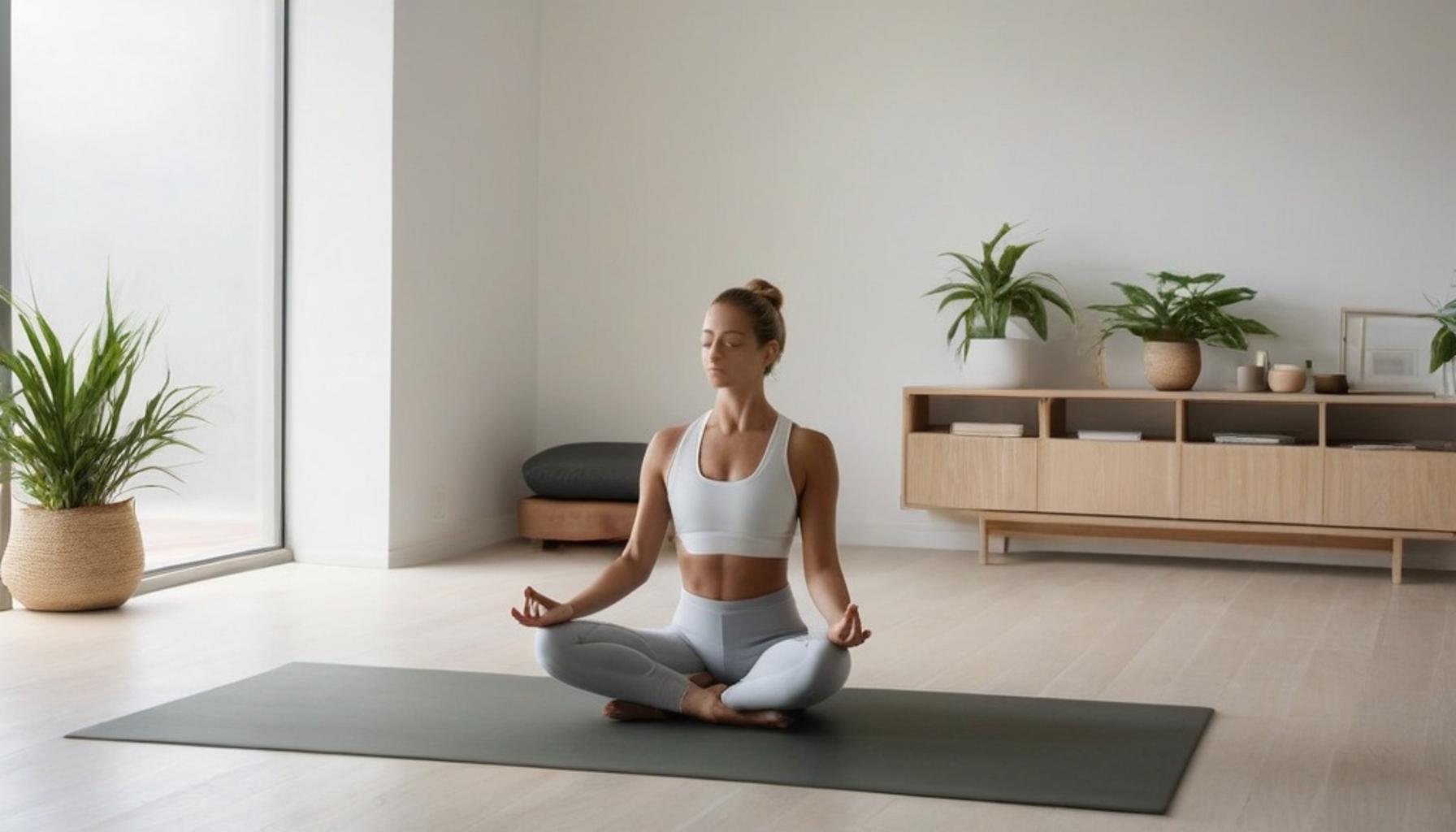
Why Your Environment Shapes Your Mind
Americans spend an average of 90% of their time indoors, yet most never stop to consider how their surroundings quietly shape their mood, focus, and stress levels. Clutter isn’t just a visual nuisance—it’s a measurable drain on cognitive resources. Researchers at Princeton University found that disorganized spaces compete for attention, making it harder to process information and stay calm.
This is where Mindful Living and Space Organization enters the conversation. It’s more than a decluttering trend; it’s a practical approach to designing environments that support mental clarity rather than chip away at it.
The Connection Between Clutter and Mental Clarity
Every pile of mail, overflowing closet, or chaotic kitchen counter sends a subtle signal to your brain: there’s unfinished business here. Over time, these signals accumulate.
- Increased cortisol levels linked to visual clutter and disorganized spaces
- Reduced ability to concentrate on tasks in messy environments
- Higher reported anxiety among people living in chronically cluttered homes
These findings suggest that decluttering for mental health isn’t just a feel-good phrase—it’s backed by real psychological data.
What This Article Will Cover
This guide explores practical strategies for creating peaceful environments that nurture focus and calm. From mindfulness and home decor pairings to room-by-room organization tactics, each section offers actionable mental clarity tips you can apply today.
- How to design organized living spaces that reduce daily decision fatigue
- Simple mindfulness practices to pair with your organizing routine
- Room-specific strategies for bedrooms, kitchens, and home offices
Whether you’re working with a small city apartment or a suburban house, the principles ahead apply universally—and the payoff is a home that finally works with your mind, not against it.
RECOMMENDED: Mindful Living and the Impact of Minimalist Space on Mental Health: Cultivating Inner Peace Through Organization
The Science of Space: How Your Brain Reads a Room
Walk into a hotel room and notice how instantly calm you feel. Now compare that to opening your garage door after a chaotic weekend. The difference isn’t just aesthetic—it’s neurological. Your brain is constantly scanning your environment, cataloging every object as either “resolved” or “unresolved.”
A 2011 study from Princeton University’s Neuroscience Institute used MRI scans to show that clutter in your peripheral vision literally competes with your brain’s visual cortex for attention. The result? Reduced performance on focus-based tasks and a measurable dip in working memory.
Why This Matters for Everyday Americans
Think about the average home office in a two-bedroom apartment in Chicago or a suburban house outside Austin. Stacks of paperwork, tangled charging cables, and half-finished projects aren’t just eyesores—they’re active stressors working against your productivity.
This is precisely why Mindful Living and Space Organization has moved from a niche wellness topic into mainstream conversation. It reframes organizing not as a chore, but as a form of self-care with measurable psychological payoff.
- Decision fatigue drops when fewer visual choices compete for your attention each morning
- Sleep quality improves in bedrooms free of visual “noise” like piles of laundry or unread books
- Emotional regulation strengthens when daily environments feel predictable and controlled
Clutter as a Stress Signal, Not Just a Mess
Psychologists studying decluttering for mental health often point to something called “cognitive residue”—the mental energy left behind when tasks remain visibly incomplete. A stack of unopened mail doesn’t just sit on the counter; it sits in your mind too, quietly reminding you of unfinished obligations.
UCLA’s Center on Everyday Lives and Families conducted home-based research revealing that women who described their homes as “cluttered” or “chaotic” showed elevated cortisol patterns throughout the day, compared to those who described their homes as “restful” or “restorative.”
That single word choice—restful versus chaotic—turns out to be a surprisingly accurate predictor of stress hormone levels.
Setting the Foundation for Change
Understanding this mind-space connection is the first step toward creating peaceful environments that genuinely support how you think and feel. It’s not about achieving a magazine-worthy minimalist home overnight.
Instead, it’s about recognizing which specific areas of your space are quietly working against your mental clarity—and learning where to focus your energy first. The next sections will break down exactly how to do that, room by room, habit by habit.

| Key Aspects | Benefits |
|---|---|
| Decluttering for Mental Health | Enhances focus and reduces anxiety levels. |
| Mindfulness and Home Decor | Promotes a sense of calm and positive energy. |
| Creating Peaceful Environments | Encourages relaxation and mental clarity. |
| Organized Living Spaces | Fosters productivity and efficiency in daily tasks. |
RECOMMENDED: Minimalism and Mindfulness: Creating Spaces that Inspire Tranquility and Mental Clarity
The Zoning Method: Mapping Your Home to Match Your Mind
Professional organizers across the country are borrowing a concept from urban planning called “zoning,” and it’s changing how Americans approach mindful living and space organization. Instead of tackling an entire house at once, you assign each area a single psychological function.
A kitchen counter isn’t just a surface—it’s either a “prep zone” or a “dump zone.” A bedroom nightstand is either a “wind-down zone” or a catchall for phone chargers, receipts, and stray hair ties. The zone determines what’s allowed to exist there.
A Practical Framework Backed by Research
Cornell University’s Food and Brand Lab found that people in cluttered kitchens ate nearly twice as many calories from snack foods compared to those in tidy kitchen environments, simply because visual chaos increased stress-driven eating behavior. Zoning directly counters this by giving the brain fewer conflicting signals.
Here’s how zoning typically breaks down in a standard American home:
- Entryway zone: keys, shoes, and mail only—nothing else lingers here
- Work zone: a dedicated desk or corner, even in small apartments in cities like Boston or Denver
- Rest zone: bedrooms reserved strictly for sleep and relaxation, not laptops or laundry
- Transition zone: a single basket or bin for items waiting to be put away elsewhere
Why Vertical Space Matters More Than You Think
Most homeowners focus on floor space, but organizational psychologists increasingly point to vertical clutter as an overlooked stressor. Open shelving crammed with mismatched items creates what researchers call “visual static”—a low-grade irritant your brain processes even when you’re not consciously looking at it.
Swapping open shelves for closed cabinets, or grouping items by color and category, has been shown to reduce perceived room “busyness” by a significant margin in interior design studies. This is a core principle behind mindfulness and home decor trends currently gaining traction on platforms like Pinterest and Instagram.
The 90-Second Rule
One technique gaining popularity among productivity coaches is deceptively simple: if a task takes less than 90 seconds—hanging a coat, washing a single dish, filing a paper—you do it immediately rather than deferring it.
This habit prevents the small buildup that eventually becomes overwhelming clutter. It’s one of the most accessible mental clarity tips because it requires no special tools, budget, or weekend overhaul—just a shift in timing.
Together, zoning and micro-habits like the 90-second rule form a sustainable system for organized living spaces that don’t require constant maintenance marathons to stay functional.
SEE ALSO: Mindful Living and the Art of Letting Go: Creating a Healthy Physical and Mental Space
Bringing It All Together: Space as a Daily Practice
What emerges from zoning strategies, vertical decluttering, and micro-habits like the 90-second rule is a single, unifying idea: Mindful Living and Space Organization isn’t a one-time renovation project. It’s an ongoing relationship between a person and their surroundings.
Across the research cited—from Cornell’s snacking studies to interior design surveys on visual busyness—the pattern holds steady. Physical clutter and mental clutter move in tandem. Reduce one, and the other tends to follow.
A Different Way to Measure Success
Traditional organizing culture often measures success by aesthetics: matching bins, color-coded closets, Pinterest-worthy pantries. But the real metric worth tracking is stress reduction, not visual perfection.
Someone in a modest apartment in Phoenix or a walk-up in Philadelphia doesn’t need a magazine-ready home to experience the benefits of decluttering for mental health. A single well-maintained zone—even just a clear kitchen counter—can shift daily mood in measurable ways.
Where to Go From Here
For readers ready to experiment, the smartest starting point isn’t the whole house. It’s one zone, tackled honestly, then left alone for a week to see how it feels.
- Pick one room and apply a single zoning function to it
- Test the 90-second rule for three days and note any shifts in stress levels
- Audit vertical spaces before touching the floor
Creating peaceful environments doesn’t demand perfection or a large budget. It demands consistency, small decisions repeated daily, and a willingness to notice how space quietly shapes mood, focus, and energy. That noticing, more than any storage bin or shelf system, is where mental clarity actually begins.
Frequently Asked Questions
How can mindful living impact my approach to space organization?
Mindful living encourages us to become more aware of our surroundings and how they affect our mental state. By incorporating mindfulness into space organization, you can create an environment that reduces clutter and distractions, helping to promote mental clarity and overall well-being.
What are some practical tips for organizing my space mindfully?
Start by decluttering your space, focusing on items that truly serve a purpose or bring you joy. Use organizational tools like bins or shelves to create designated areas for belongings, and consider integrating natural elements such as plants to enhance the calmness of your environment.
How does a well-organized environment influence my productivity?
A well-organized space minimizes distractions and allows you to focus better on tasks at hand. When your environment is tidy and intentional, it fosters greater creativity and efficiency, leading to improved productivity over time.
Can mindful living and space organization help reduce anxiety?
Yes, mindful living combined with effective space organization can significantly reduce anxiety. By creating a serene and organized space, you can cultivate a sense of calm and control, which helps to alleviate feelings of overwhelm and stress.
Are there any specific organizational styles best suited for mindful living?
Styles like minimalism, where you keep only essential items, and biophilic design, which incorporates nature, are particularly effective for mindful living. These approaches focus on simplicity and harmony with nature, promoting tranquility and mental clarity in your organized space.

Linda Carter
Linda Carter is a writer specializing in minimalism and personal organization. With extensive experience helping readers create more functional and balanced routines, she shares practical advice on decluttering, organizing spaces, simplifying daily tasks, and making more intentional choices. Her goal is to offer clear guidance and accessible strategies that help people reduce excess, improve their surroundings, and enjoy a calmer, more organized lifestyle.